Embarking on a culinary journey through Bulgaria introduces you to a world of flavors and traditions. Bulgarian cuisine, rich in history and diversity, offers a delicious experience for every palate. As you explore traditional Bulgarian dishes, you’ll discover not only the hearty stews and savory pastries that define this cuisine but also the vibrant culture that brings these meals to life. Whether you’re a seasoned food enthusiast or a curious traveler, the unique tastes of Bulgarian food promise to captivate your senses.
With an array of delectable dishes to savor, Bulgarian food combines fresh ingredients and time-tested recipes. From the iconic banitsa to the comforting flavors of shopska salad, there’s something for everyone to enjoy. Join us as we delve into the world of Bulgarian cuisine, offering insights into its history, popular dishes, and ways to recreate these flavors at home.
Introduction to Bulgarian Cuisine
The Rich History of Bulgarian Food
Bulgarian food has been shaped by centuries of cultural influences, blending Slavic, Greek, and Ottoman elements. The resulting culinary tapestry is a testament to Bulgaria’s strategic location at the crossroads of Europe and Asia. Traditional Bulgarian dishes often feature slow-cooked methods and a mix of fresh, local produce, creating a hearty and flavorful experience.
Key Ingredients in Bulgarian Cuisine
Core ingredients in Bulgarian cuisine include yogurt, white cheese, and a variety of fresh vegetables like tomatoes, cucumbers, and peppers. Herbs such as dill, parsley, and mint add distinctive flavors to the dishes. You’ll often find dishes enriched with garlic, onions, and leeks, providing a savory and aromatic base for many recipes.
Popular Bulgarian Dishes
Iconic Bulgarian Foods You Must Try
One cannot discuss Bulgarian food without mentioning banitsa, a delightful pastry filled with cheese, eggs, and sometimes spinach. Shopska salad, a refreshing mix of tomatoes, cucumbers, onions, and peppers topped with grated cheese, is a staple. Another must-try is kavarma, a slow-cooked meat stew that embodies the comforting essence of Bulgarian cuisine.
Vegetarian Bulgarian Dishes
Vegetarian options in Bulgarian cuisine are plentiful and delicious. Tarator, a cold yogurt soup with cucumbers, dill, and garlic, offers a refreshing treat in warmer months. Lyutenitsa, a spicy pepper and tomato relish, is perfect as a side or spread. Patatnik, a potato-based dish seasoned with mint, is another vegetarian delight worth savoring.
Traditional Bulgarian Food Culture
Festive Foods and Traditions
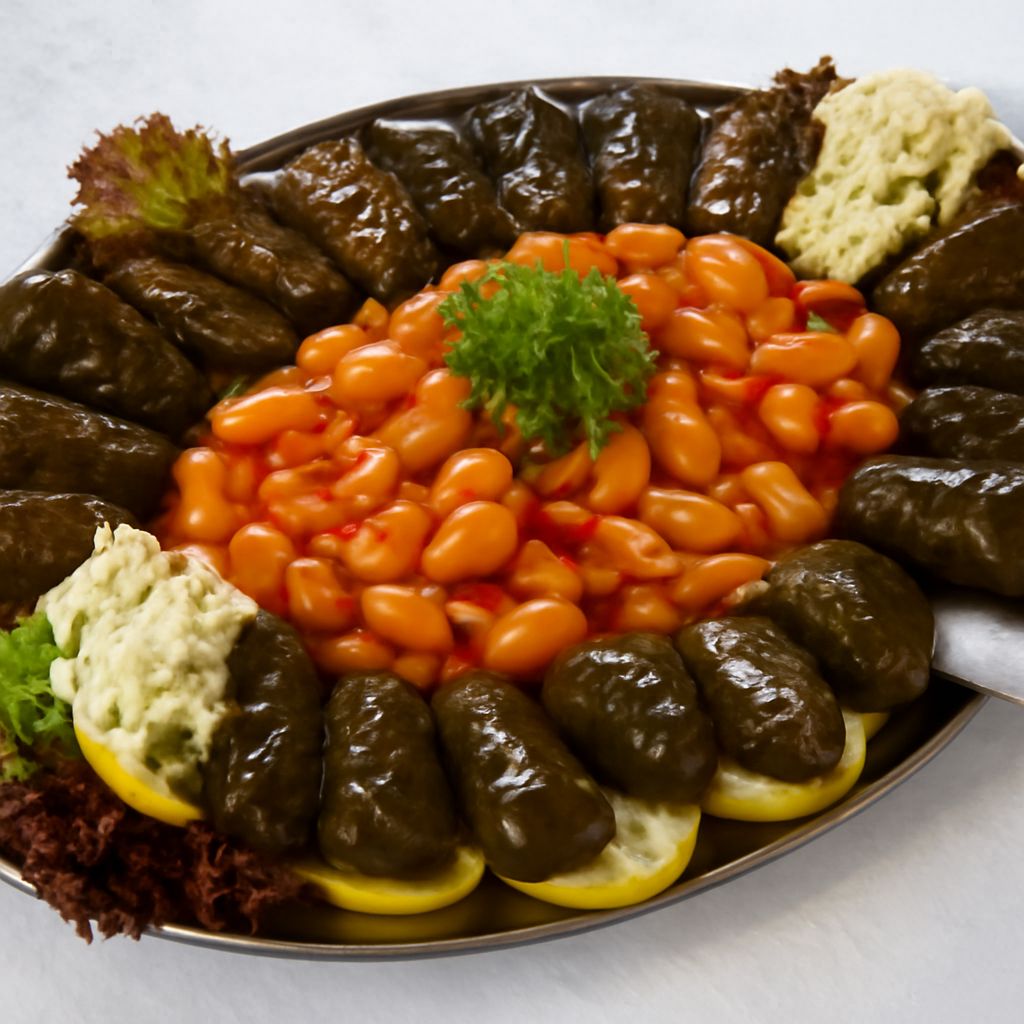
Bulgarians celebrate with food that reflects their rich traditions. During holidays, you might find dishes like kozunak, a sweet bread, or sarmi, stuffed grape leaves. These traditional Bulgarian dishes are often prepared for special occasions, highlighting the importance of food in Bulgarian celebrations.
Seasonal Bulgarian Foods
Seasonal ingredients play a vital role in Bulgarian cuisine. In spring, fresh greens and herbs are abundant, while autumn brings an assortment of fruits and root vegetables. This seasonal approach ensures that Bulgarian food remains vibrant and varied throughout the year, allowing you to experience the unique tastes of Bulgarian food at their peak.
Cooking Bulgarian Dishes at Home
Simple Recipes for Beginners
For those new to Bulgarian cooking, starting with tarator or shopska salad can be a great introduction. Both recipes are straightforward and require minimal ingredients, making them perfect for novice cooks eager to explore Bulgarian cuisine.
Tips for Authentic Flavor
To capture the authentic taste of Bulgarian food, focus on using fresh, high-quality ingredients. Incorporate traditional spices and herbs like paprika and savory to enhance your dishes. Additionally, slow cooking methods often bring out the best in Bulgarian stews, ensuring a rich depth of flavor.
Where to Experience Bulgarian Cuisine Globally
Bulgarian cuisine is gaining popularity globally, with restaurants and markets offering traditional Bulgarian dishes worldwide. Major cities like New York, London, and Sydney feature Bulgarian eateries where you can sample authentic flavors. Alternatively, explore international food festivals that showcase the unique tastes of Bulgarian food, providing a global platform for this delightful cuisine.
Pro tips recap: When exploring Bulgarian food, prioritize fresh ingredients and traditional recipes for an authentic experience. Try iconic dishes like banitsa and kavarma, and don’t miss the chance to savor the vibrant flavors of seasonal ingredients. Whether cooking at home or dining out, let the rich culinary heritage of Bulgaria guide your journey.
Related Posts

Paula Deen Mac and Cheese: A Comfort Food Classic
Imagine a plate filled with warm, creamy macaroni, enveloped in…

Spanish Rice in Rice Cooker: A Flavorful Delight
Imagine capturing the vibrant flavors of Mexico right in your…
Greece Food: A Journey Through Greek Culinary Delights
Embark on a flavorful journey with Greek foods, where every…