When you sink your teeth into a tender, juicy rib eye steak, you’re not just enjoying a meal; you’re partaking in a global culinary tradition. The beef rib eye, known for its rich marbling and deep flavor, is a universally loved delicacy. Whether grilled, roasted, or pan-seared, this cut offers a mouthwatering experience that transcends borders. But what is a ribeye in its essence, and why does it captivate so many taste buds across the world? Let’s dive into the savory world of rib eye steaks and discover their magic.
What is a Ribeye Steak?
A ribeye steak is a cut of beef that comes from the rib section of the cow. Known for its flavorful and tender meat, the rib eye is characterized by its marbling of fat, which melts during cooking and enhances its juicy texture. When you ask, “What is a ribeye?” you’re inquiring about a steak that offers an unmatched combination of tenderness and flavor, making it a favorite among steak enthusiasts.
The rib eye can be identified by the “eye” of fat in the center of the cut, which is what gives it both its name and its distinctive taste. This steak is perfect for grilling or pan-searing, lending itself to a variety of cooking methods that enhance its natural flavors.
The Origins of the Rib Eye Steak
The rib eye steak has a storied history that dates back centuries. Originating from the rib section of cattle, this cut has been enjoyed by cultures worldwide. The practice of eating beef rib eye can be traced back to early European culinary traditions. Its popularity quickly spread due to its delectable taste and versatility in preparation methods.
As global trade expanded, so did the reach of the rib eye steak. Each region adapted the preparation to suit its culinary traditions, but the universal appeal of the rib eye’s rich, beefy flavor remained constant. This cut has become a staple in both home kitchens and upscale restaurants around the world.
How to Cook a Rib Eye Steak Perfectly
Cooking a rib eye steak to perfection is an art that can be mastered with some practice and attention to detail. Begin by selecting a well-marbled beef rib eye. Pat it dry to ensure a good sear, and season with salt and pepper or your preferred spice rub.
For a classic preparation, heat a skillet over high heat until it’s smoking hot. Sear the steak for 3-4 minutes on each side for a medium-rare finish, adjusting the time based on your preferred doneness. Letting the steak rest for a few minutes before serving will help the juices redistribute, enhancing the flavor.
If you’re grilling, preheat the grill to high. Place the rib eye on the grill and cook for about 4-5 minutes per side. This method imparts a smoky flavor, adding another dimension to the steak’s taste.
Global Variations of Rib Eye Steak
Rib eye steak is celebrated globally, with each culture adding its unique twist. In Argentina, rib eye is often grilled as part of an “asado,” accompanied by chimichurri sauce. This preparation emphasizes simplicity, allowing the beef’s natural flavors to shine.
In the United States, rib eye is frequently served with a robust seasoning blend, reflecting the American penchant for bold flavors. Meanwhile, in Japan, rib eye may be used in “teppanyaki” or served as a luxurious wagyu, prized for its exquisite marbling.
These varied techniques attest to the rib eye steak’s versatility and its ability to harmonize with different culinary traditions worldwide.
Pairing Rib Eye Steak with Sides
The right pairings can elevate a rib eye steak dinner from ordinary to extraordinary. Consider classic accompaniments like garlic mashed potatoes or a simple green salad with vinaigrette, which complement the steak’s richness without overpowering it.
For a more international flair, serve your rib eye with roasted vegetables seasoned with herbs de Provence, or a creamy risotto that mirrors the steak’s buttery softness. A robust red wine, such as Cabernet Sauvignon or Malbec, pairs beautifully with the deep flavors of a rib eye steak, completing the dining experience.
Next Steps: To truly appreciate the rib eye steak, practice cooking it using different methods and try pairing it with various sides and sauces. As you explore these options, you’ll gain a deeper understanding and appreciation of this beloved cut. Remember, the key to a great rib eye is the right combination of seasoning, cooking technique, and complementary flavors.
Related Posts

Pork Buns: A Delicious Global Cuisine Delight
Embark on a culinary journey with pork steamed buns that…
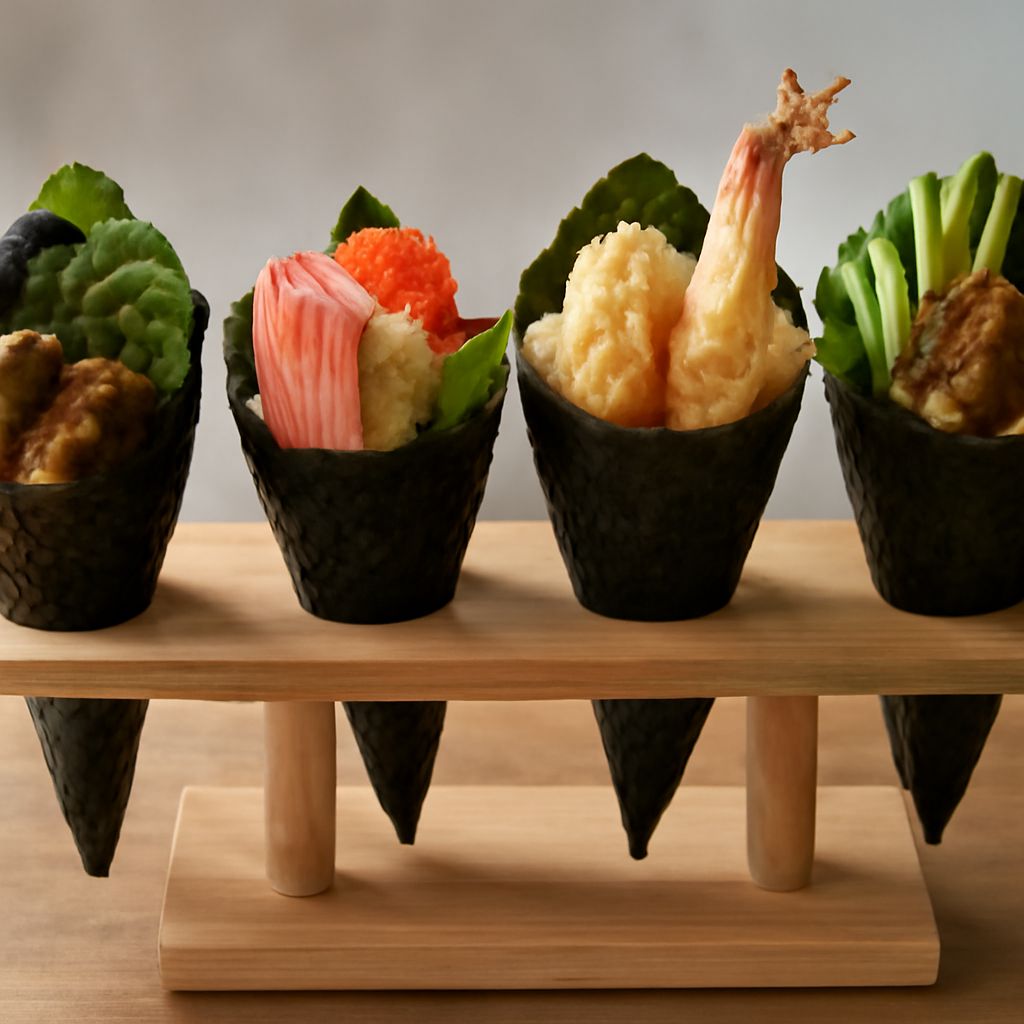
Roll vs Hand Roll: Understanding the Differences
Venturing into the world of sushi offers you a delightful…
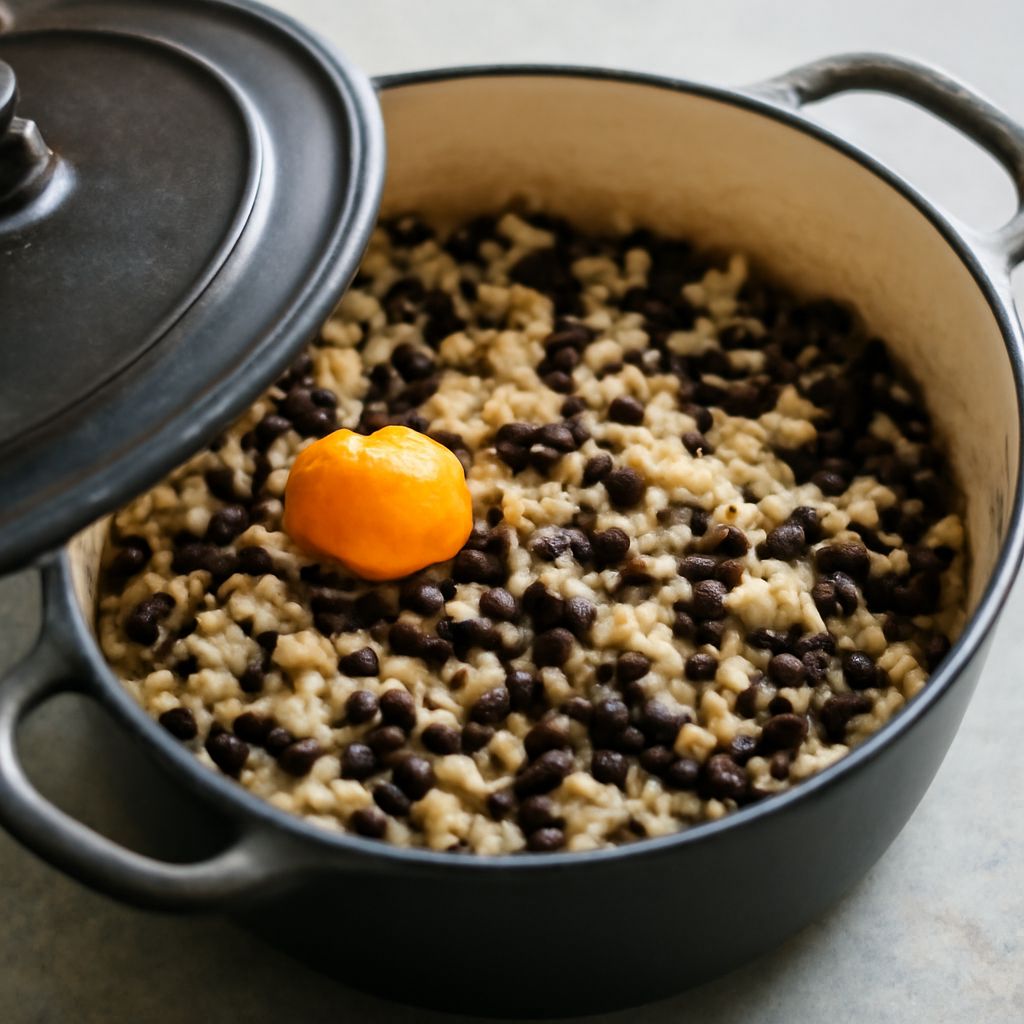
Jamaican Rice and Peas: A Flavorful Tradition
Discover the secret to creating a dish that not only…