Cooking salmon to perfection can often seem like an elusive task. However, mastering the perfect temperature for salmon ensures a moist, flavorful dish while safeguarding against undercooked or overcooked disappointments. By understanding salmon cook temp and adjusting your methods, you can delight in a culinary experience that’s both delicious and safe.
Achieving the right salmon internal temp is vital for both taste and food safety. With this guide, you’ll learn how to make the most of your cooking techniques, ensuring that every bite is as delightful as it is safe. Dive into the secrets of perfect salmon cooking and transform your seafood repertoire.
Understanding Salmon Cook Temp
The key to cooking salmon perfectly lies in understanding the intricacies of salmon cook temp. Salmon is best cooked to an internal temperature of 125°F (52°C) for medium-rare or 145°F (63°C) for well-done. This range allows the natural flavors and oils to shine while maintaining the fish’s tender texture.
Unlike other proteins, salmon continues to cook even after it’s removed from the heat source. This phenomenon, known as carryover cooking, can raise the internal temperature by about 5°F. Therefore, it’s essential to monitor the temperature closely and consider removing the salmon from the heat a few degrees before it reaches your desired doneness.
Importance of Salmon Internal Temp
The salmon internal temp is crucial for ensuring the fish is both safe to eat and enjoyable. Undercooked salmon can lead to foodborne illnesses, while overcooked salmon loses its delectable, soft texture and rich flavor.
By focusing on the internal temperature of salmon, you ensure that harmful bacteria are eliminated without compromising the quality of the fish. A perfectly cooked salmon should be opaque with a delicate flake, an outcome only achieved through precise temperature control.
Best Practices for Checking Temperature
To achieve the perfect temperature for salmon, using a digital meat thermometer is indispensable. Insert the thermometer into the thickest part of the fillet, avoiding bones. This technique provides an accurate readout of the internal temperature of salmon, guiding you to your desired level of doneness.
Allow the salmon to rest for a few minutes after cooking. This resting period lets the juices redistribute evenly, enhancing the fish’s flavor profile. Always calibrate your thermometer periodically to ensure accuracy and reliability.
Global Cuisines and Salmon Cooking
Salmon’s versatility shines across global cuisines, each culture embracing distinct methods to highlight the fish’s natural charm. In Japanese cuisine, salmon is often served as sashimi, requiring a perfect understanding of raw salmon’s quality and salmon cook temp when slightly seared.
In Scandinavian dishes, gravlax showcases salmon cured in a delicate mix of salt, sugar, and dill. While this doesn’t involve cooking, an understanding of salmon’s texture is crucial for achieving the right firmness and flavor. Each dish emphasizes the importance of understanding salmon internal temp and the fish’s behavior under varying cooking techniques.
Safety Tips for Cooking Salmon
Ensuring the right salmon internal temp is just one aspect of safe cooking. Start with fresh, high-quality salmon, which reduces the risk of contamination. Store raw salmon in the refrigerator and consume it within two days of purchase or freeze it for longer storage.
Clean all surfaces and utensils that come into contact with raw salmon to prevent cross-contamination. When grilling or broiling, use a clean grill grate to avoid transferring unwanted flavors and ensure even cooking. These practices, along with monitoring the temperature for salmon, help create a safe and tasty meal.
Bottom line: Mastering the salmon internal temp is essential for a delightful culinary experience. By understanding and applying these techniques, you ensure each fillet is succulent, flavorful, and safe to enjoy. Let this guide be your compass to perfect salmon dishes, every time.
Related Posts
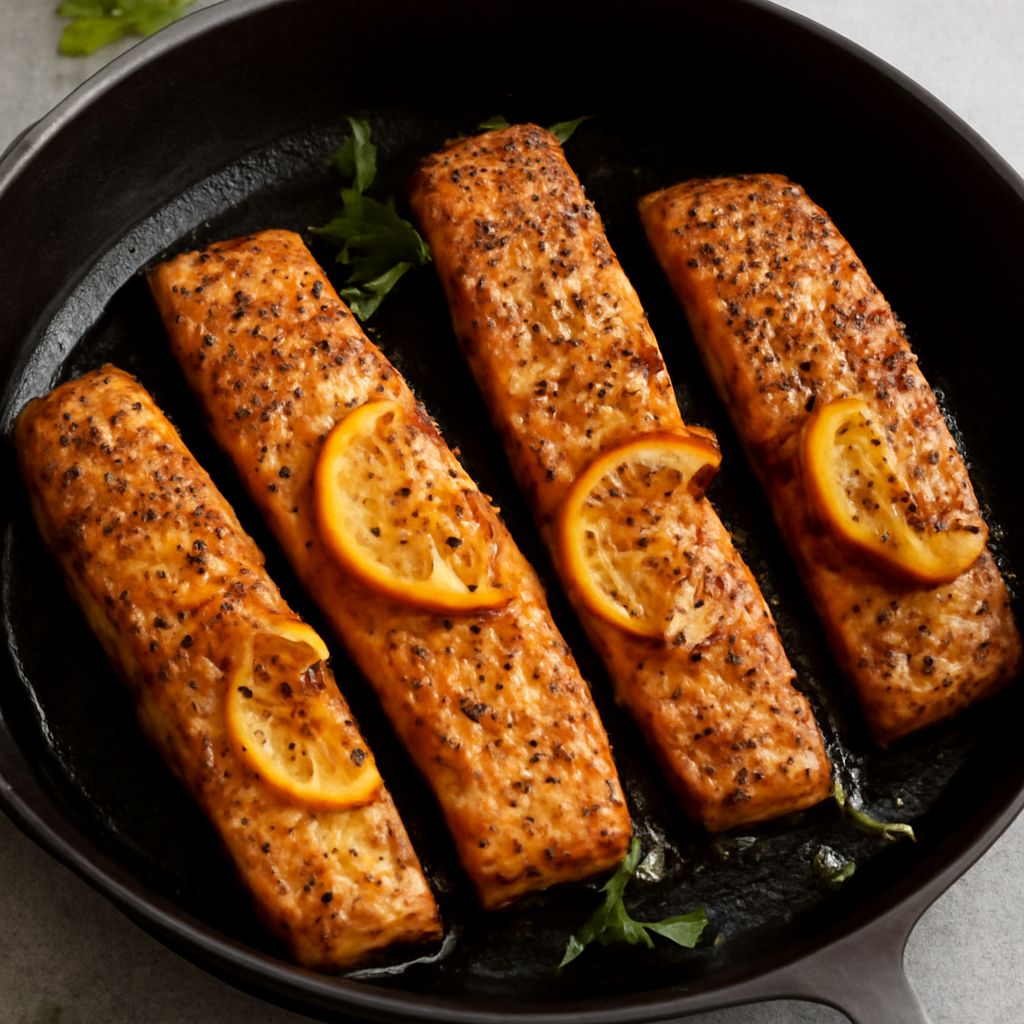
How Long to Pan Fry Salmon: A Guide to Perfect Stove Top Salmon
Perfectly pan-fried salmon is a culinary delight—crisp on the outside,…

Can You Eat Coconut Crabs: A Guide to This Exotic Seafood
Are coconut crabs edible? If you've ever wondered about the…
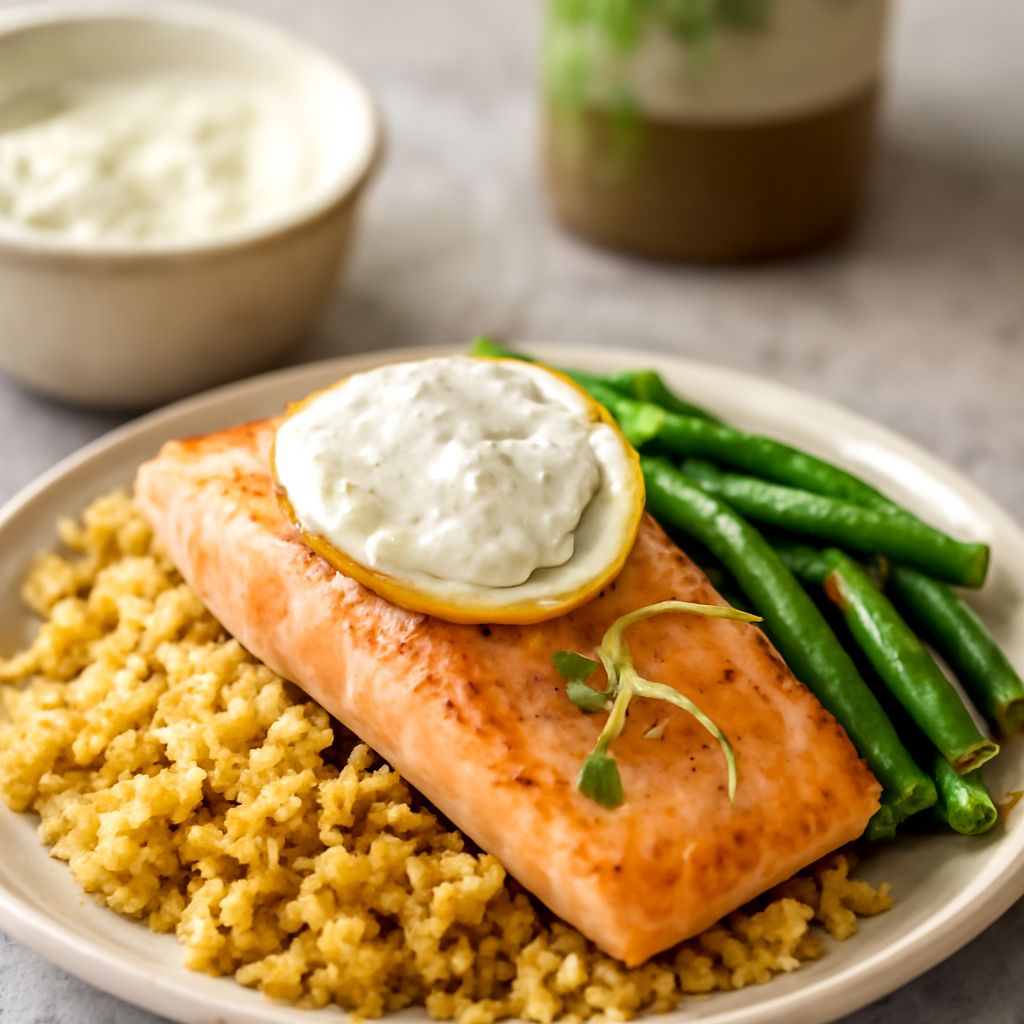
Dill Salmon With Lemon, Baked Until Tender
How can you give baked salmon a bright, fresh flavor…