In today’s world, where convenience often trumps quality, learning how to make baking powder at home offers a refreshing alternative. With a simple baking powder recipe, you gain control over the ingredients used, ensuring purity and avoiding unnecessary additives. This DIY baking powder approach not only enhances your baking skills but also contributes to a healthier lifestyle.
Discover how to make baking powder with ease, as you explore the benefits of crafting your own. By using this baking powder recipe, you can create a reliable kitchen staple that supports your culinary pursuits and adds a personal touch to every dish.
Understanding Baking Powder
What is Baking Powder?
Baking powder is a leavening agent that combines an acid and a base to produce carbon dioxide, aiding in the rising process of baked goods. You might wonder: why not use baking soda? The answer lies in the balanced reaction baking powder provides, eliminating the need for additional acidic ingredients.
Role of Baking Powder in Baking
In the world of baking, baking powder is vital for achieving the desired texture and volume. It ensures your cakes, muffins, and cookies rise beautifully, creating light and fluffy creations. Without this essential component, your baking endeavors can fall flat.
Ingredients Needed for Homemade Baking Powder
Basic Ingredients
When you make baking powder at home, you need only a few basic ingredients. Generally, a combination of baking soda, cream of tartar, and cornstarch forms the foundation. Baking soda acts as the alkaline base, while cream of tartar provides the necessary acid.
Optional Additives for Flavor
While the standard mix suffices, you can customize your DIY baking powder with optional additives like vanilla powder or cinnamon for a unique twist. This personalization enhances flavor profiles, ensuring your baked goods stand out.
Step-by-Step Guide: How to Make Baking Powder
Mixing the Ingredients
Start by measuring one part baking soda, two parts cream of tartar, and one part cornstarch. Mix them thoroughly in a bowl. Ensure even distribution by whisking the ingredients until no lumps remain. This precise mixture guarantees consistent results.
Storing Your Homemade Baking Powder
After mixing, store your homemade baking powder in an airtight container. Choose a cool, dark place for storage to maintain its potency. Label the container with the date to keep track of freshness, allowing you to avoid common mistakes in usage.
Tips for Using DIY Baking Powder
Adjusting Quantities
The baking powder recipe you’ve created can be adjusted based on your needs. If your recipe requires more leavening, increase the baking powder usage proportionately. However, be cautious, as excessive amounts can alter taste and texture negatively.
When to Use Homemade vs. Store-Bought
Consider using homemade baking powder for recipes where freshness and ingredient control are paramount. However, for quick fixes or emergencies, store-bought options still hold their place. Knowing when to choose which type can optimize your baking outcomes.
Frequently Asked Questions
Common Mistakes
A common mistake when using DIY baking powder is failing to measure accurately. Precision is key to achieving the desired chemical reaction. Additionally, ensure the freshness of individual components for maximum effectiveness.
Shelf Life and Storage
Your homemade baking powder, when stored correctly, can last up to six months. Regularly check for signs of moisture or clumping, as these indicate a loss of potency. Proper storage extends shelf life, ensuring you always have a reliable leavening agent at your disposal.
Bottom line: Making baking powder at home not only empowers you as a baker but also enhances the quality of your creations. With this easy-to-follow recipe, you gain control over your ingredients, ensuring every bake is a triumph. Embrace this DIY baking powder approach to revolutionize your kitchen and elevate your baking experience.
Related Posts
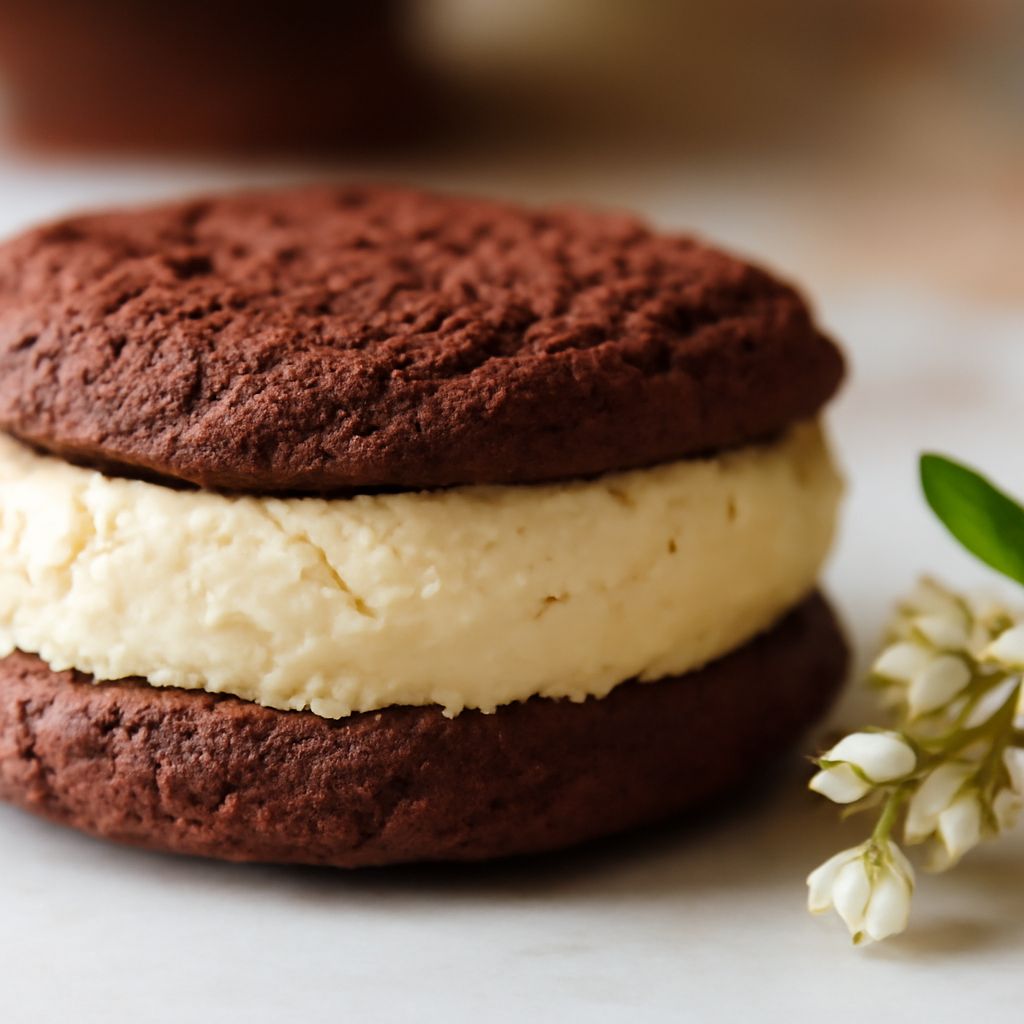
Discover the Ultimate Cookie Sandwich Delights
Elevate your dessert game with ice cream sandwich cookies, a…
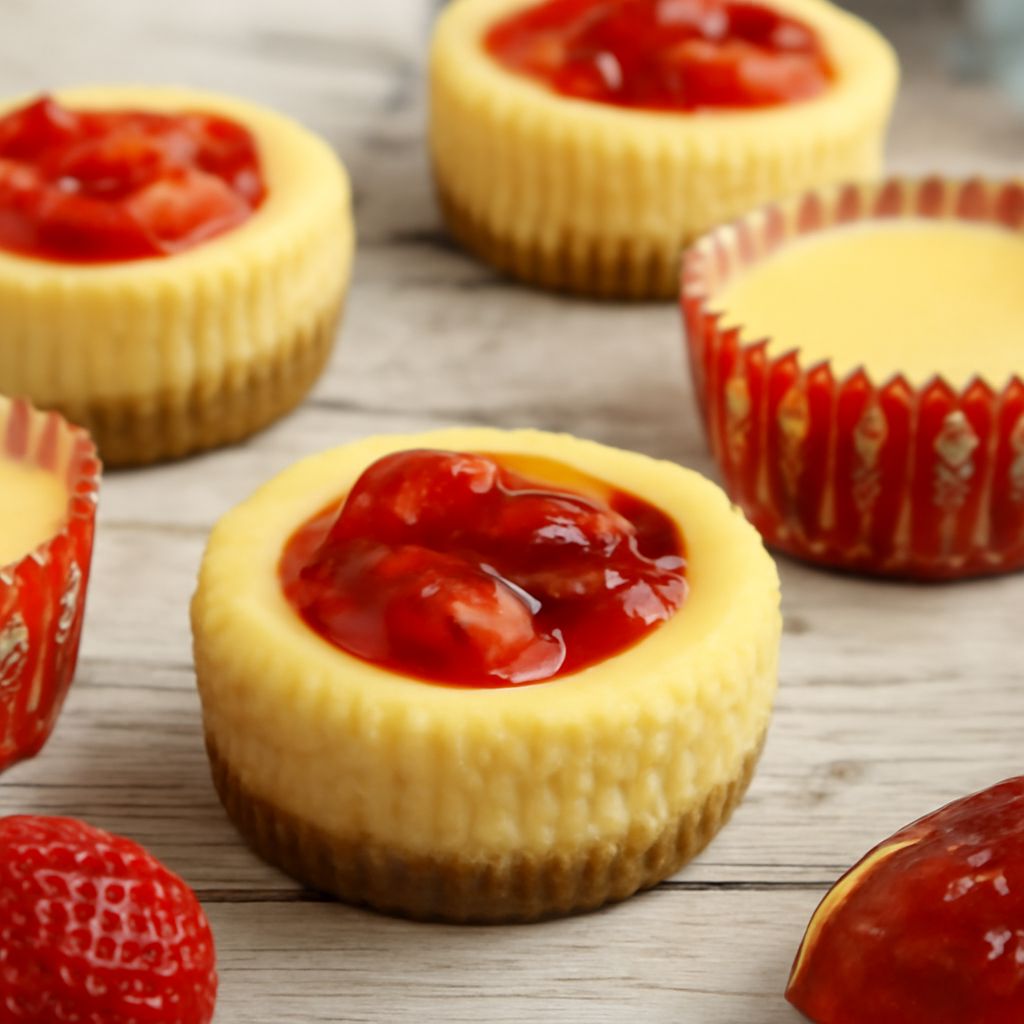
Cheesecake Cupcakes: The Perfect Dessert Treat
Indulging in a delightful dessert doesn't have to be complicated.…
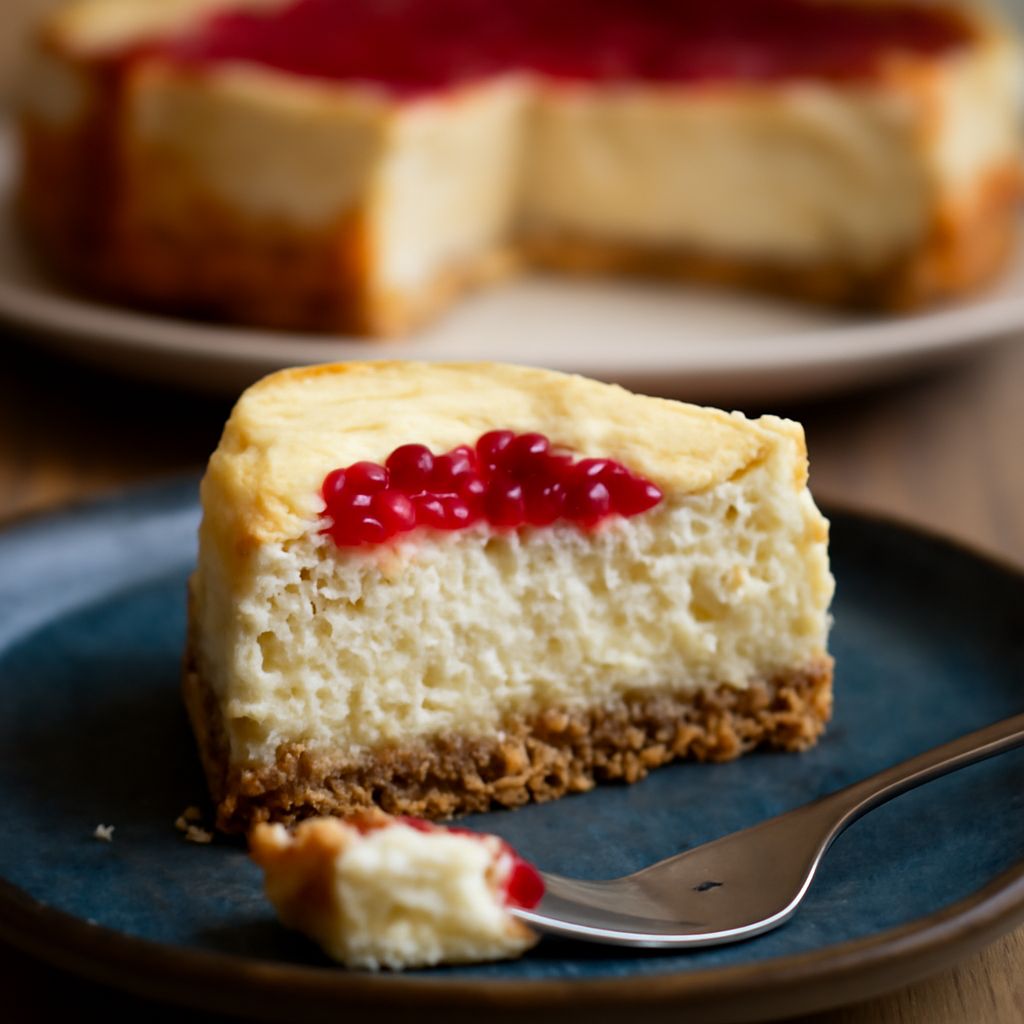
Healthy Cheesecake Recipe: A Delicious Low Calorie Dessert
Discover the art of indulging guilt-free with our exquisite healthy…