Embark on a culinary journey where each dish tells a story of its region and culture. From the Mediterranean charm of dolmades to the intricate layers of a traditional Bolognese recipe, world cuisines offer a rich tapestry of flavors and techniques. Explore the vibrant tastes of a pancit recipe from the Philippines and savor the simplicity of Turkish eggs, each showcasing unique ingredients and cooking methods. Dive into this global feast and discover how these dishes connect you to diverse cultures.
Dolmades: A Mediterranean Delight
Dolmades, the iconic Mediterranean delight, are grape leaves stuffed with a savory mixture of rice, herbs, and sometimes meat. The exact match of “dolmades” highlights the essence of Mediterranean cuisine, bringing together flavors of lemon, dill, and olive oil. Originating from Greece, these bite-sized parcels are often served as appetizers or as part of a mezze platter.
Preparing dolmades requires patience and precision. You start by blanching grape leaves to soften them, ensuring they wrap seamlessly around the filling. The stuffing typically includes rice mixed with onions, parsley, mint, and pine nuts, sometimes enriched with ground lamb or beef. As you roll each leaf, the tactile experience of wrapping and securing each parcel is both satisfying and crucial for achieving the perfect dolmades.
Cooking dolmades involves gently simmering them in broth, allowing the flavors to meld and the leaves to tenderize. The end result is a dish that is both comforting and invigorating, perfect for sharing with friends and family.
Crafting the Perfect Pancit Recipe
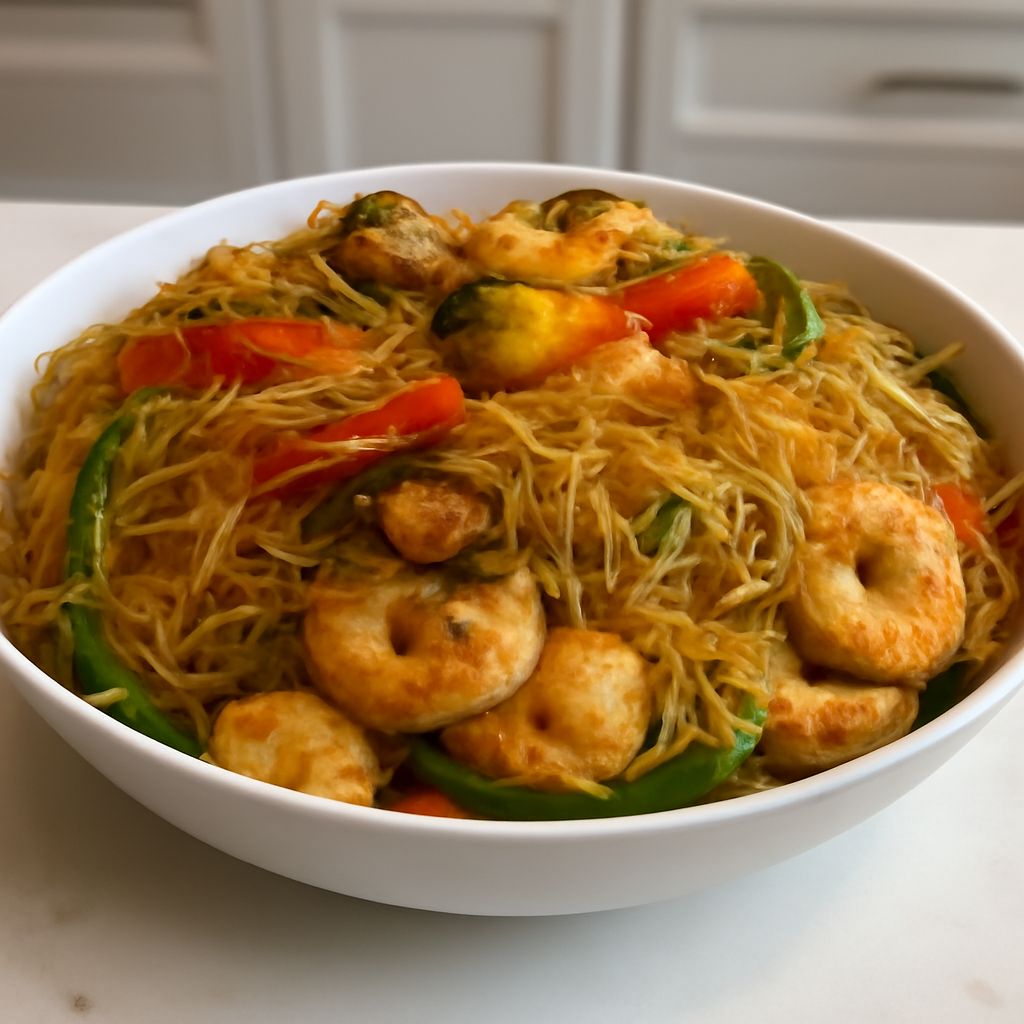
The pancit recipe is a staple of Filipino gatherings, offering a delicious blend of noodles, vegetables, and meats. This exact phrase underscores the cultural significance of pancit in Filipino cuisine, where variations abound based on region and occasion.
To craft your pancit, you begin with the right choice of noodles, often rice or wheat-based, adding an authentic texture to the dish. The preparation involves stir-frying a colorful array of vegetables like carrots, cabbage, and green beans alongside proteins such as chicken, pork, or shrimp. Soy sauce and calamansi juice tie the ingredients together, balancing flavors with a touch of tanginess.
Cooking pancit is a dynamic process, requiring careful timing to ensure the noodles and vegetables retain their distinct textures. With practice, you can perfect your pancit recipe, enjoying the satisfaction of a dish that is both nourishing and emblematic of Filipino hospitality.
The Art of Turkish Eggs
Turkish eggs are a simple yet exquisite dish that showcases the culinary art of Turkey. The exact match phrase, “Turkish eggs,” reflects the harmony of flavors that define this breakfast classic.
Preparing Turkish eggs involves poaching them to perfection, with a creamy yogurt base that provides a tangy contrast. The eggs rest atop the yogurt, garnished with melted butter infused with Aleppo pepper and mint, creating a vibrant and aromatic presentation.
The tactile experience of poaching eggs requires precision and attention. You aim for a runny yolk that spills onto the yogurt, blending with the spicy butter to create an indulgent sauce. Turkish eggs are best enjoyed fresh, offering a delightful start to your day with the warmth and comfort of Turkish hospitality.
Tinga Recipe: A Spicy Mexican Favorite
The tinga recipe captures the fiery spirit of Mexican cuisine, with its robust flavors and vibrant colors. This exact match phrase emphasizes the dish’s popularity and its integral role in Mexican culinary traditions.
Chicken tinga involves slow-cooking chicken with onions, tomatoes, and chipotle peppers, creating a smoky, spicy sauce that envelops the tender meat. As you prepare tinga, the aromas of chipotle and cumin fill your kitchen, promising a taste of Mexico’s rich culinary heritage.
Serving tinga is a versatile affair, whether tucked into tacos, layered on tostadas, or stirred into rice. The tactile satisfaction of shredding the cooked chicken and integrating it with the sauce is a highlight, offering a hands-on connection to Mexican food culture.
Traditional Bolognese Recipe: Italian Comfort
The traditional Bolognese recipe is a testament to Italy’s love for hearty, comforting meals. This exact match emphasizes the tradition and authenticity of this beloved sauce.
Crafting Bolognese involves simmering ground meat in a rich tomato sauce, enhanced with onions, celery, and carrots. A splash of red wine adds depth to the flavor, while the slow cooking process allows the mixture to develop a robust taste.
Cooking Bolognese is a sensory experience, from the aromatic soffritto to the bubbling sauce that fills your kitchen with warmth. As you prepare this dish, you connect with Italian traditions, savoring the patience and love that go into each pot.
Key takeaways: World cuisines offer a delightful exploration of flavors and techniques, each dish telling its own cultural story. Whether you’re savoring dolmades or mastering the art of a pancit recipe, these recipes bring the world to your kitchen. Enjoy the journey and the connections made through cooking and sharing these global delicacies.
Related Posts
Curry Noodles: A Flavorful Culinary Journey
Embarking on a culinary adventure with red curry noodles opens…
Nepali Food: A Journey Through Flavors and Traditions
Discover the vibrant and diverse world of Nepali food, a…

Spring Roll vs Egg Roll: Understanding the Differences
Embarking on a culinary journey through global cuisines offers an…