Imagine the aroma of freshly baked sourdough wafting through your kitchen, all without having to knead dough by hand or calculate rise times. With the best sourdough bread recipe for bread machines, you can experience this delightful moment with ease and precision. This guide will show you how to make sourdough bread using a bread machine, ensuring you consistently enjoy the perfect loaf every time.
Whether you’re a seasoned baker or just starting out, using a bread machine to create sourdough bread simplifies the process and saves you precious time. You no longer need to worry about the intricacies of sourdough preparation. Let your bread machine take on the work while you enjoy the delicious results of homemade sourdough bread bread machine style.
Benefits of Using a Bread Machine
Convenience of Bread Machine Sourdough Using a bread machine sourdough method saves you from the laborious task of kneading by hand. Simply add your ingredients, select the appropriate setting, and let the machine do its magic. This hands-off approach allows you to engage in other activities while your bread is being prepared.
A bread machine sourdough routine also means less cleanup. All mixing and kneading occur within the machine, reducing the amount of flour dust on your countertops. The convenience factor ensures you can bake more often without feeling overwhelmed.
Consistent Results with Bread Machine Sourdough Bread
Achieving consistent results is a significant advantage of the sourdough bread bread machine process. The machine handles temperature and timing, which are critical for sourdough development. This leads to uniform loaves each time you bake, without the variability found in traditional baking.
Consistency in bread-making allows you to fine-tune your recipes and techniques easily. With a reliable starting point, you can experiment with different flour blends and additives to enhance flavor and texture.
Essential Ingredients for Sourdough Bread
Choosing Flour for Sourdough Bread Recipe Bread Machine
When selecting flour for your sourdough bread recipe bread machine, opt for high-quality bread flour. This flour type contains more protein, providing the necessary gluten structure for a successful rise and chewy texture.
Consider mixing whole wheat or rye flour into your recipe for added flavor and nutrients. Adjust the hydration levels accordingly, as these flours absorb more water than white bread flour.
Yeast and Other Additives for Sourdough Bread Bread Machine
While traditional sourdough relies solely on a starter, using a sourdough bread bread machine might require a bit of yeast to ensure a reliable rise. A small amount of instant yeast can support your starter’s natural leavening.
Other additives like salt and sugar are crucial in balancing the flavor and helping the dough rise. Ensure you measure these carefully to maintain the bread’s integrity and taste.
Step-by-Step Sourdough Bread Recipe
Preparing the Starter for Sour Dough Bread Machine
A successful sour dough bread machine recipe starts with a well-fed starter. Feed your starter 4-8 hours before baking until it doubles in size and bubbles with activity. This step is vital for a robust sourdough taste and proper rise.
Use equal parts of water and flour when feeding the starter. Adjust feeding times based on ambient temperature and humidity levels for best results.
Mixing and Kneading in the Bread Machine
Add the starter, flour, water, yeast, and salt into the bread machine in the order recommended by the manufacturer. Close the lid and select the dough or basic sourdough cycle.
During the kneading phase, check the dough consistency. It should be slightly sticky but form a smooth ball. Add more water or flour as necessary to achieve this texture.
Baking Tips for Best Results
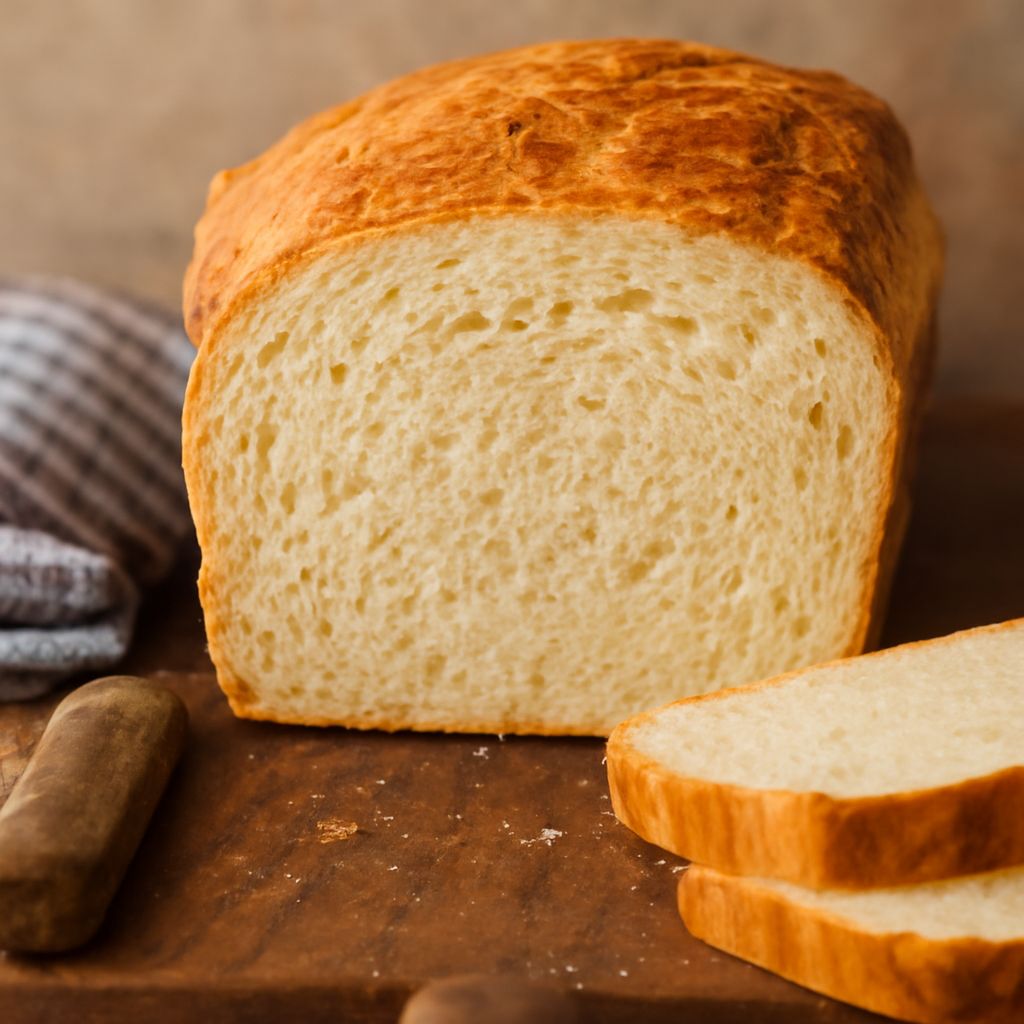
Once the dough has risen adequately, transfer it to a preheated oven for baking, if your machine doesn’t have a baking function. Preheat to 450°F (232°C) and bake for 20-25 minutes until the crust is golden brown and the internal temperature reaches 200°F (93°C).
For a crispy crust, place a pan of water in the oven during baking to create steam. Let the bread cool on a wire rack before slicing to maintain its structure.
Troubleshooting Common Issues
Addressing Texture Problems
Texture issues in your bread machine sourdough bread can stem from improper hydration or over-kneading. Adjust the water content in small increments to achieve the desired crumb density and chewiness.
If the bread is too dense, check if your starter is active and properly fed. A vibrant starter is crucial for a light and airy loaf.
Improving Flavor and Rise
Insufficient rise or bland taste often indicates a weak starter or rushed fermentation. Allow the dough to rest longer post-knead to develop flavor.
Enhance taste by letting the dough undergo a cold fermentation in the refrigerator overnight. This method intensifies the sourdough’s characteristic tang and complexity.
Serving Suggestions
Pairing Ideas
Enjoy your homemade sourdough bread bread machine with a variety of toppings. Classic pairings include butter and jam, cheese and cured meats, or avocado and poached eggs for a more contemporary twist.
Sourdough also pairs well with hearty soups and stews, offering a satisfying contrast with its tangy flavor and chewy crust.
Storing Your Sourdough Bread
To maintain the freshness of your bread, store it in a bread box or a paper bag at room temperature. Avoid plastic bags, which can make the crust soggy.
For longer storage, slice the bread and freeze it. Thaw slices in a toaster or oven for a freshly baked taste.
Next Steps
Now that you’ve mastered how to make sourdough bread using a bread machine, experiment with different ingredients and techniques to refine your skills. Regular practice will enhance your understanding of the dough’s behavior and allow you to achieve bakery-quality loaves at home.
Related Posts
Can You Make Bread Without Yeast? Absolutely!
Imagine the aroma of freshly baked bread filling your kitchen—without…

What is Sweetbread? Understanding the Delicacy
What is Sweetbread? Understanding the Delicacy Have you ever wondered,…

Garlic Bread in Oven: The Ultimate Guide
Imagine the intoxicating aroma of freshly baked garlic bread filling…