Crafting brown gravy from scratch elevates any home-cooked meal. When you learn how to make brown gravy from scratch, you’re not just adding flavor; you’re enhancing the entire dining experience. With this simple recipe, you’ll discover the joy and satisfaction of creating a staple that pairs perfectly with many dishes.
Making your own gravy allows you to control the ingredients, ensuring a wholesome dining experience. Imagine the aroma of a rich, savory sauce simmering on the stove, enhancing the flavors of your dish. Whether you’re preparing a weeknight dinner or a holiday feast, this easy brown gravy recipe is your go-to guide.
Why Make Brown Gravy from Scratch
Benefits of Homemade Gravy
Homemade brown gravy offers unparalleled taste and freshness. By using simple, wholesome ingredients, you achieve a depth of flavor that’s impossible to match with store-bought options. You have control over the seasonings, allowing you to customize the savory blend to your family’s palate.
Comparing with Store-Bought Options
While store-bought gravies are convenient, they often contain preservatives and excess sodium. In contrast, when you make your own gravy, you create a healthier alternative without compromising on taste. You can even adjust the consistency to your preference, making it as thick or as thin as you like.
Ingredients for Easy Brown Gravy
Essential Ingredients
The foundation of easy brown gravy lies in its basic components. You’ll need flour, butter, and beef or chicken broth. These three ingredients come together to create a roux, which is the base of your gravy. The process is simple and requires minimal effort.
Optional Add-Ins
To enhance the flavor profile, consider adding onion powder, garlic powder, or fresh herbs like thyme and rosemary. A splash of Worcestershire sauce can also add depth and a hint of tanginess. These optional ingredients allow you to tailor the gravy to your liking.
Step-by-Step Recipe
Preparing the Roux
Start by melting butter in a saucepan over medium heat. Gradually whisk in the flour to form a smooth paste. This mixture is your roux and the key to a lump-free gravy. Cook the roux until it reaches a golden-brown color, which intensifies the flavor.
Adding Flavor and Texture
Slowly pour in the broth while continuously whisking to avoid lumps. As the gravy simmers, it will thicken. For additional flavor, incorporate your chosen spices or herbs. Taste and adjust the seasoning, adding salt and pepper as needed.
Tips for Perfect Brown Gravy
Troubleshooting Common Issues
If your gravy is too thin, simmer it longer, allowing it to reduce. For a thicker consistency, mix a bit of flour with cold water, then whisk it into the boiling gravy. Should lumps form, strain the gravy through a fine mesh sieve.
Enhancing Flavor with Simple Techniques
For a deeper flavor, brown the flour slightly before adding liquid. You can also deglaze the pan with a bit of red wine or sherry before adding the broth. These techniques contribute a rich, complex taste to your homemade creation.
Serving Suggestions
Pairing with Dishes
Brown gravy complements a variety of dishes such as roasted chicken, mashed potatoes, and even meatloaf. Its savory qualities enhance the natural flavors of meats and starches, making it a versatile accompaniment to many meals.
Storage and Reheating Tips
Store leftover gravy in an airtight container in the refrigerator for up to three days. When reheating, gently warm the gravy on the stove, stirring frequently to maintain a smooth texture. Add a splash of broth if the gravy becomes too thick.
Related Posts
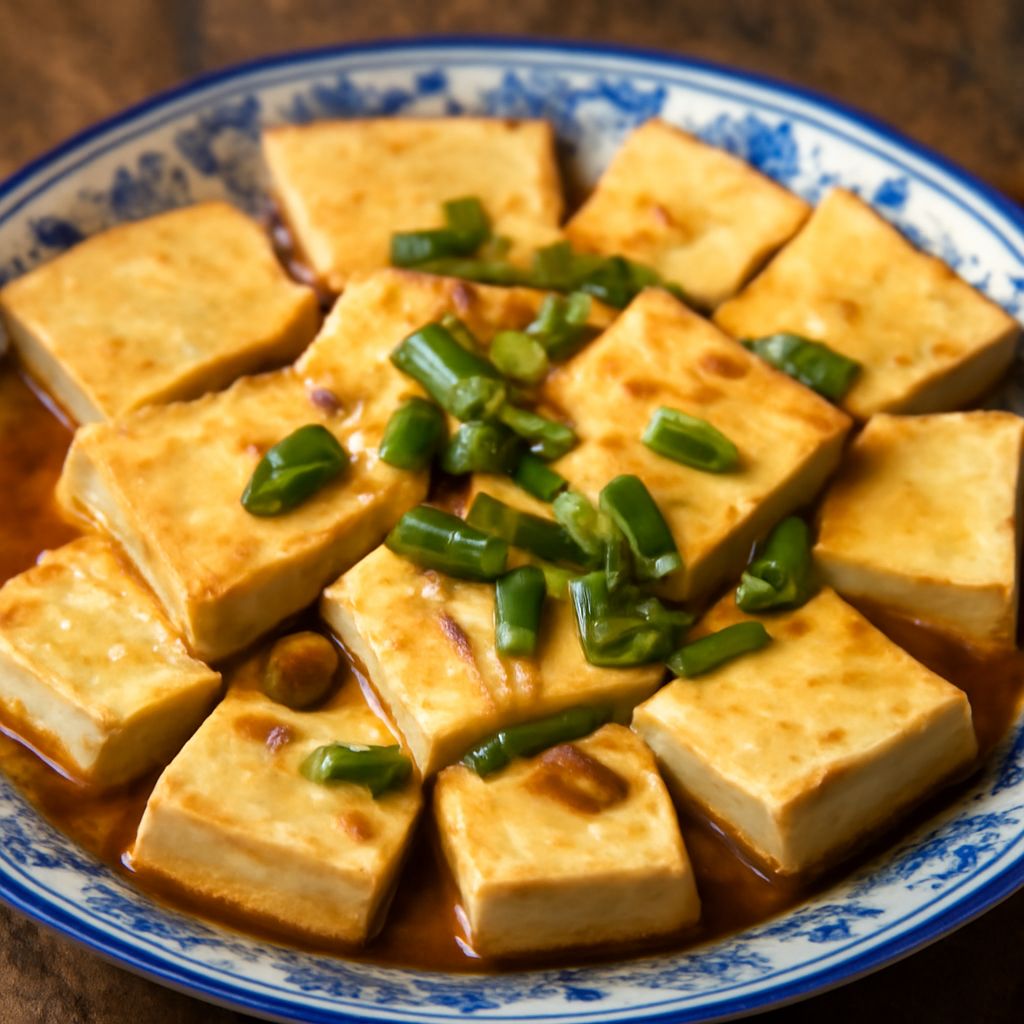
Silken Tofu Recipes: Delicious Ideas for Every Meal
Welcome to a world where silken tofu becomes your kitchen's…
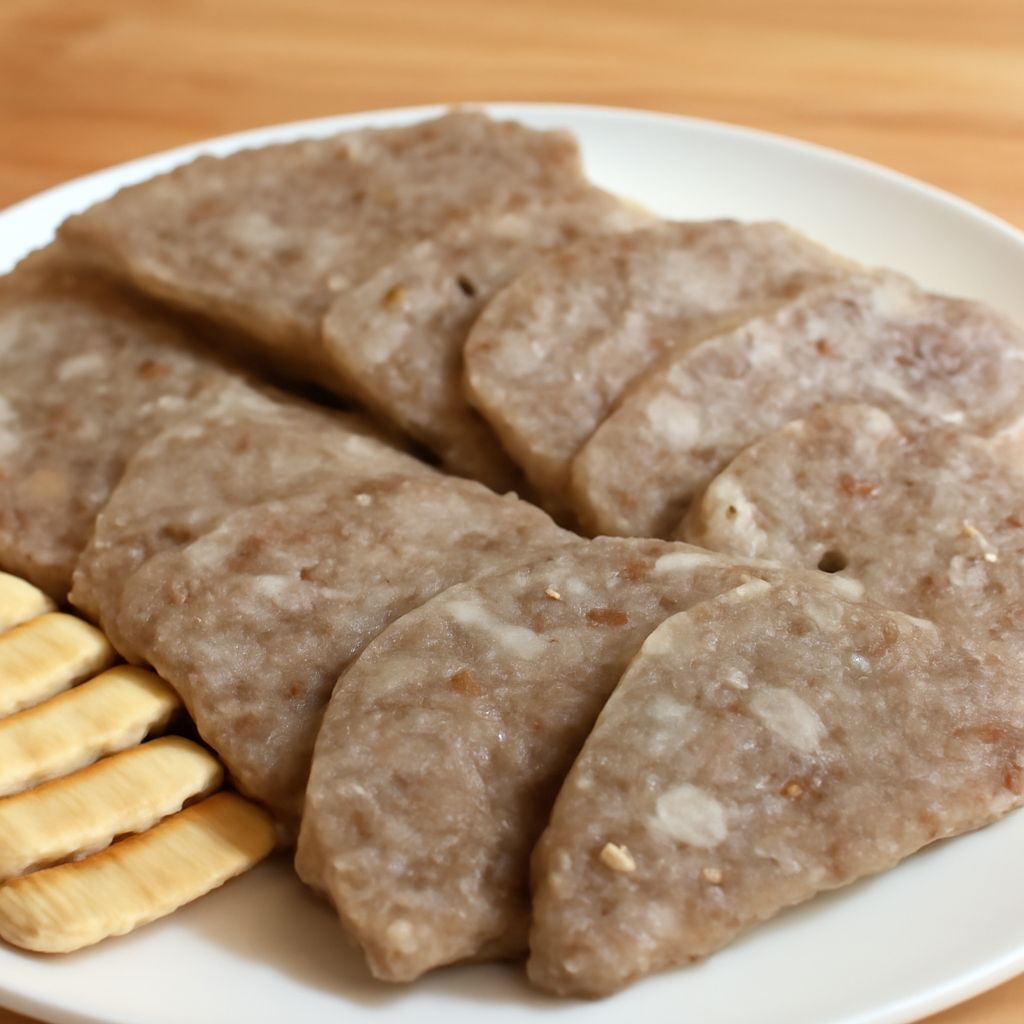
Souse Meat: A Delicious Homemade Tradition
Discover the flavorful tradition of souse meat right in your…

Pan Fried Chicken Breast: A Simple and Delicious Recipe
If you're seeking an easy and satisfying meal to whip…