Embarking on a culinary adventure through Mongolian food will introduce you to a rich tapestry of flavors and textures that are as varied as the landscapes of Mongolia itself. Mongolian cuisine offers a unique blend of hearty ingredients and bold flavors, a result of its historical nomadic lifestyle and diverse cultural influences. As you explore Mongolian food, you’ll discover the craft of combining simple ingredients into delicious, satisfying dishes that capture the essence of Mongolian life.
Whether you’re savoring a traditional dish or indulging in modern interpretations, Mongolian cuisine is sure to intrigue your taste buds and deepen your appreciation for world food. With its distinctive use of meats, dairy, and fresh produce, each bite of Mongolian food tells a story of tradition and innovation. Get ready to delve into a world where every meal is an opportunity to explore unique Mongol foods and experience the true heart of Mongolia.
Introduction to Mongolian Cuisine
The Origins of Mongolian Food Mongolian food has deep roots in the country’s nomadic traditions. The harsh climate and lifestyle of the Mongol people have shaped a cuisine focused on sustainability and nutrition. Historically, the diet largely consisted of meat, dairy, and animal fats, essential for withstanding the extreme temperatures. This form of sustenance is considered the original Mongolian food, reflecting the natural resources available in the region.
As you explore Mongolian food, you’ll find it is grounded in practicality. The traditional methods prioritize preservation and energy, with dried meats and fermented dairy products playing a significant role in daily meals. These foods are not just staples but are celebrated as part of the Mongolian identity.
Cultural Influences on Mongolian Cuisine
While Mongolian food remains firmly rooted in tradition, it has not stayed untouched by external influences. Over centuries, interactions with neighboring cultures have brought flavors and techniques from China, Russia, and Central Asia. These interactions have enriched Mongolian cuisine, adding depth and variety to what was once a minimalist diet.
One of the most visible influences is the introduction of spices and vegetables into Mongolian food, diversifying the flavor profiles and making the dishes more accessible to global palates while maintaining their unique Mongolian essence.
Traditional Mongolian Dishes
Classic Mongolian Foods You Must Try Among the must-try dishes in Mongolian cuisine is buuz, a type of steamed dumpling filled with seasoned meat, usually mutton. These dumplings are not only a staple at family gatherings but also an integral part of celebrations. Another classic is khuushuur, a fried pastry similar to an empanada, enjoyed for its crispy exterior and juicy meat filling.
You cannot mention traditional Mongol food without highlighting tsuivan, a noodle dish that combines meats and vegetables, offering comfort in every bite. Each of these dishes represents a facet of Mongolian food culture, combining everyday practicality with rich flavors.
Modern Takes on Traditional Mongol Food
Contemporary chefs are reimagining Mongol food by incorporating global ingredients and techniques. Fusion dishes, like Mongolian barbecue, have emerged, blending traditional meats with more diverse, global spices and cooking methods. These innovations pay homage to the roots of Mongolian cuisine while appealing to modern tastes.
For those looking to try these modern versions, urban restaurants in Mongolia and beyond now offer creative interpretations of classic dishes, making Mongolian food more accessible and exciting for a global audience.
Cooking Techniques in Mongolian Cuisine
Traditional Methods of Preparing Mongolian Foods
Traditional Mongolian cooking methods are as unique as the ingredients themselves. One such method is boodog, where meat is cooked from the inside using hot stones. This technique ensures that the meat is tender and imbued with the flavors of the stones and seasoning.
In addition to boodog, many Mongolian foods are prepared using open-fire grilling and steaming. These techniques highlight the natural flavors of the ingredients, adhering to the straightforward approach that defines Mongolian cuisine.
Mongolian Barbecue: A Popular Twist
Mongolian barbecue, despite its name, is more of a concept than an authentic traditional dish. It’s a stir-fry method popularized across the globe, characterized by rapid cooking of meat and vegetables on a large, open grill. This approach reflects the adaptability of Mongolian food, merging ancient cooking methods with contemporary trends.
This culinary style allows you to experience the essence of Mongolian food through interactive dining, choosing your ingredients and watching them transform into a savory dish right before your eyes.
Where to Experience Mongolian Food
Top Restaurants Serving Mongolian Cuisine
Experiencing Mongolian food is possible in many parts of the world, thanks to a growing number of restaurants specializing in this cuisine. Cities like Ulaanbaatar boast renowned establishments such as Modern Nomads, offering authentic dishes alongside modern interpretations.
In addition, global cities like New York and London host Mongolian restaurants that provide a taste of this unique cuisine, ensuring that you can explore Mongolian food without traveling far.
Mongolian Food Festivals Around the World
Food festivals present another exciting way to explore Mongolian cuisine. Events like the Naadam Festival in Mongolia and Mongolian food festivals in North America feature a wide array of traditional dishes and cultural experiences.
These festivals allow you to immerse yourself in Mongolian food culture, offering a deeper understanding of the flavors and traditions that define this remarkable cuisine.
Key takeaways: Mongolian food is a journey through history and innovation, blending traditional ingredients with global influences. Whether through traditional methods or modern adaptations, Mongolian cuisine offers a unique and flavorful experience that captures the spirit of its people and their heritage.
Related Posts
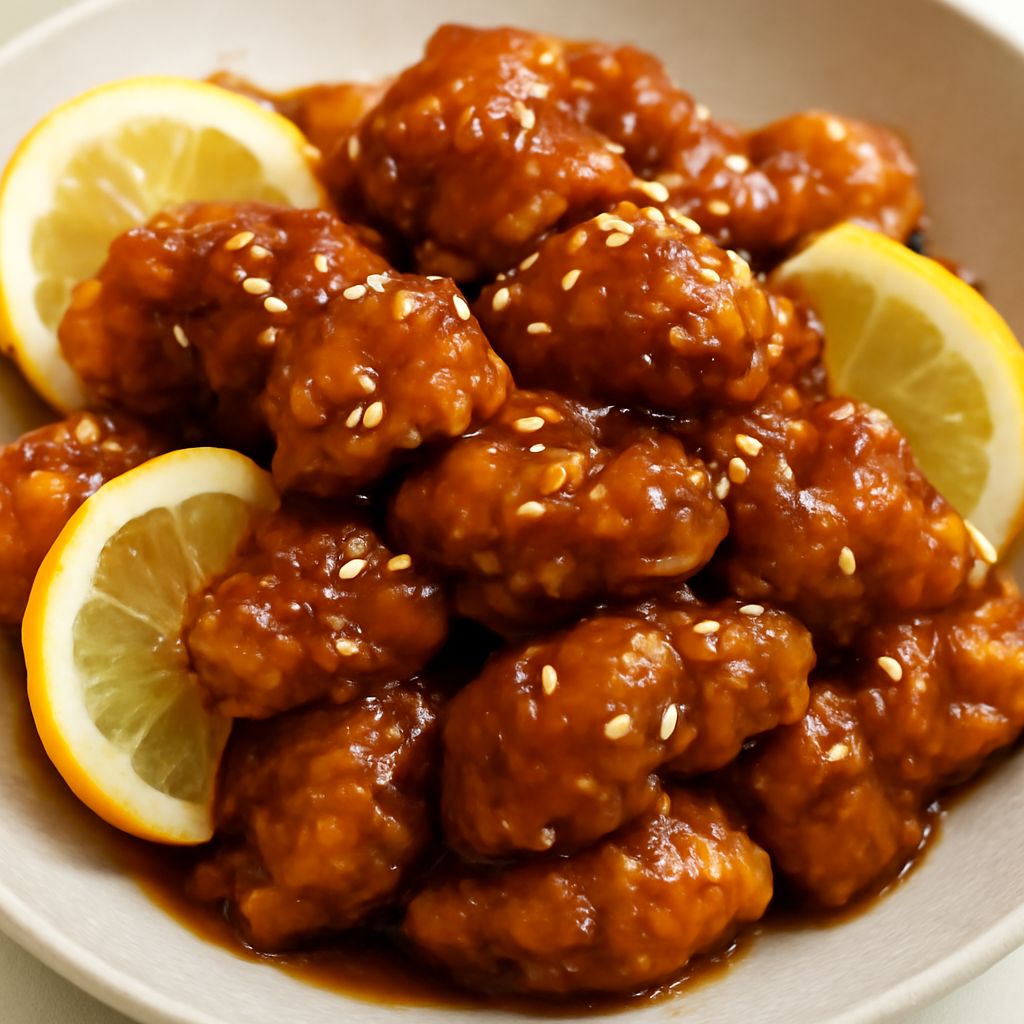
Lemon Chicken Chinese Style: A Culinary Delight
Discover the magic of Asian flavors with this delightful Chinese…
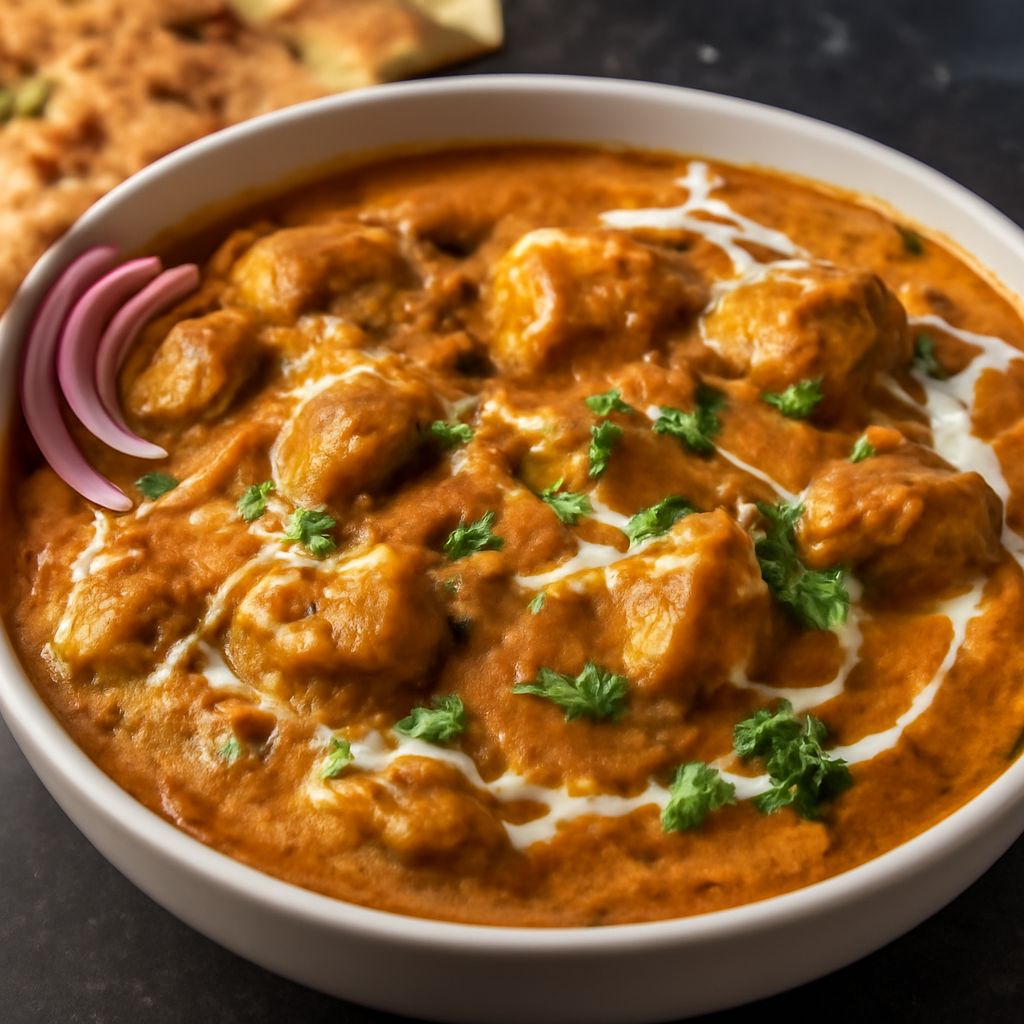
Butter Masala: A Delicacy to Savor
Experience the rich and creamy delight of Butter Masala Recipe…
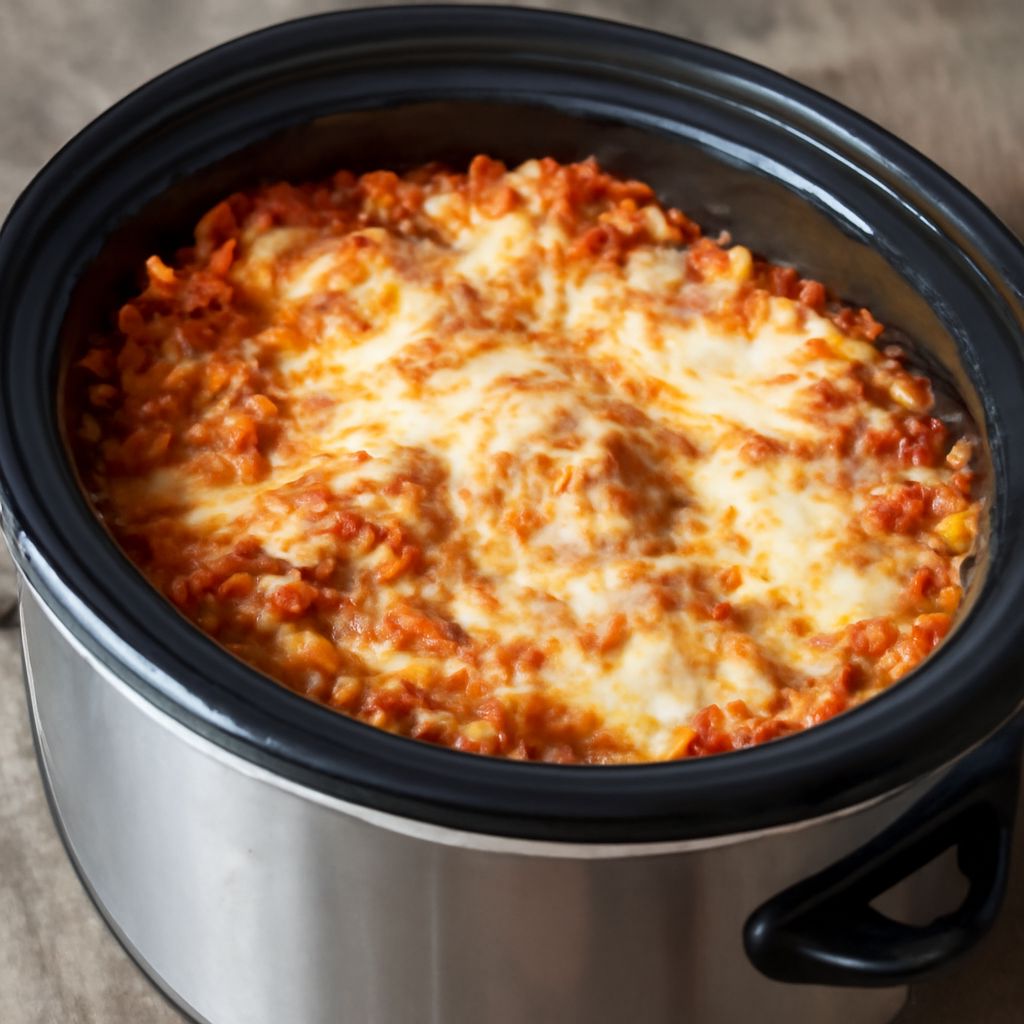
Crockpot Lasagna Recipe: Delicious Slow-Cooked Layers
Lasagna crock pot recipes are a fantastic way to enjoy…