Indulging in French cakes and pastries is like taking a flavorful journey through the heart of France’s culinary heritage. From the delicate crunch of a croissant to the rich, layered textures of an opéra, the world of French pastries offers a delightful array of choices. Whether you’re a seasoned traveler or a dessert enthusiast, understanding the types of French pastries can elevate your appreciation for these famous French desserts. As you explore, you’ll discover that each creation is a testament to the art of French culinary craftsmanship.
Introduction to French Pastries
French pastries are renowned worldwide for their exquisite taste and intricate designs. They embody a tradition that dates back centuries, where precision and passion come together to create edible art. From the flaky layers of a mille-feuille to the creamy filling of an éclair, every bite is a celebration of flavors and textures. Understanding the diversity and history of these pastries enhances the experience of savoring them.
Types of French Pastries
The variety of French pastries is vast, encompassing a range of textures and flavors. Classic options like the buttery croissant and the delicate pain au chocolat are staples in any French bakery. For something sweet, the colorful assortment of macarons offers a chewy, almond-based delight. Alternatively, the éclair, filled with rich cream and topped with icing, is a must-try for any dessert lover.
While these are popular selections, exploring beyond the basics reveals even more treasures. The intricate puff pastry layers of a mille-feuille create a satisfying crunch, balanced by smooth vanilla cream. When it comes to exploring the types of French pastries, each offers a unique taste and experience, making it a journey worth undertaking.
Famous French Desserts: Beyond Pastries
Although pastries hold a special place in French cuisine, the scope of French cakes and desserts extends far beyond them. Renowned treats such as the tarte Tatin, a caramelized upside-down tart with apples, or the spongy and syrup-soaked baba au rhum, showcase the depth of French dessert traditions. These famous French desserts highlight the country’s ability to transform simple ingredients into extraordinary creations.
Exploring these desserts provides a broader understanding of the culinary techniques and flavors that define French cuisine. The mastery of textures and the balance of sweet and savory elements are integral to the allure of these beloved sweets.
The Art of French Cakes
French cakes, or “gâteaux,” are a testament to the elegance and skill of French patisserie. Each cake tells a story, from the ornate decoration of a gâteau St. Honoré to the mousse-filled layers of an opéra cake. These creations are not just desserts; they are expressions of artistry and technique.
In crafting French cakes, the focus is on achieving perfection in taste and presentation. Techniques such as tempering chocolate, creating delicate meringues, and balancing flavors are essential. For those seeking refinement, French cakes offer an indulgent experience that is both visually and gastronomically satisfying.
Regional Specialties in France Desserts
France’s diverse regions contribute to its rich dessert tapestry, each bringing unique specialties to the table. In Brittany, the flaky kouign-amann, with its caramelized crust, is a local favorite. Meanwhile, Provence is known for calissons, a sweet almond-flavored treat with a smooth icing. Each region’s specialties reflect its history, culture, and local ingredients, providing a deeper appreciation for France desserts.
By sampling these regional confections, you not only taste the diversity of French culinary art but also connect with the local traditions and landscapes that inspire these creations. This regional exploration reveals how desserts can encapsulate the essence of their origins.
Safety recap: When preparing or enjoying French pastries, consider food safety and proper handling of ingredients. Use fresh dairy products, maintain clean workspaces, and practice good hygiene to ensure your culinary experience is both delightful and safe.
Related Posts
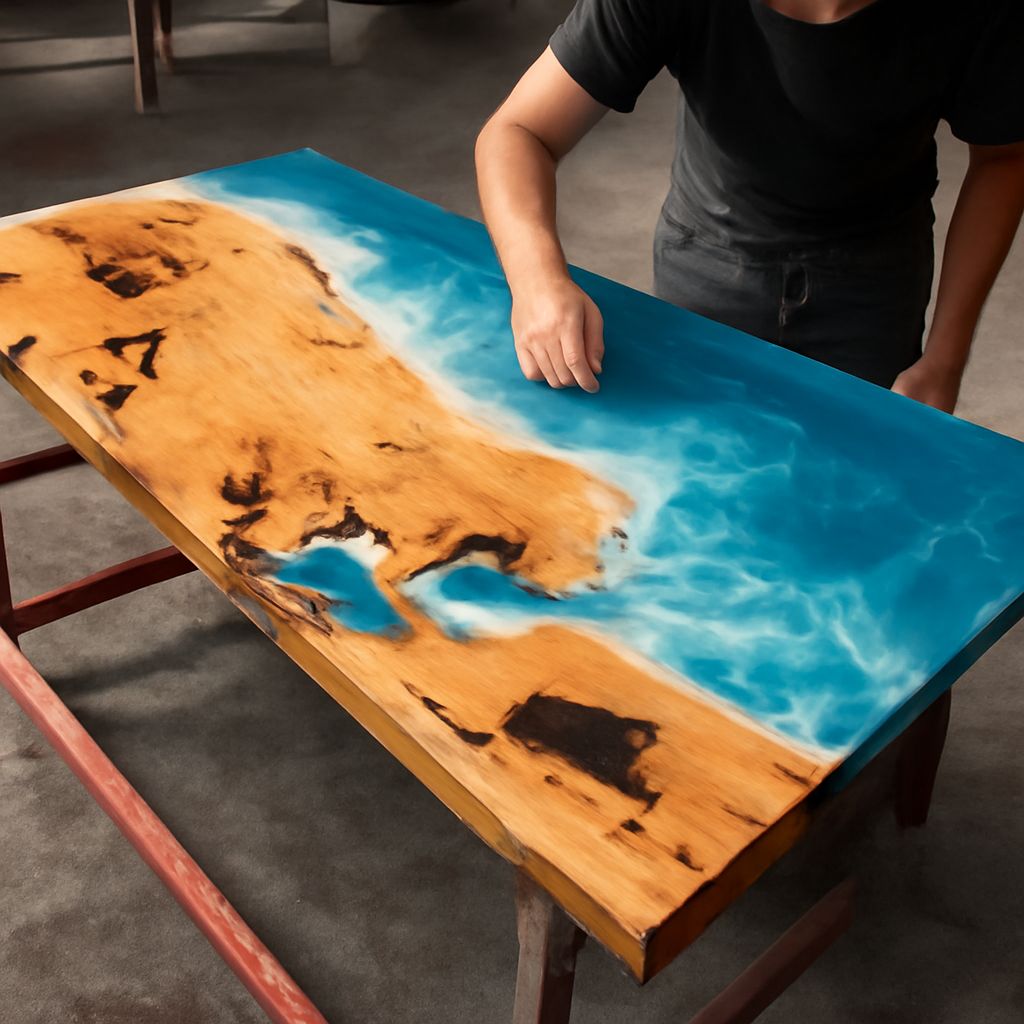
Epoxy Table: A Guide to French Tables with Resin
Imagine elevating your dining experience with a stunning French wood…
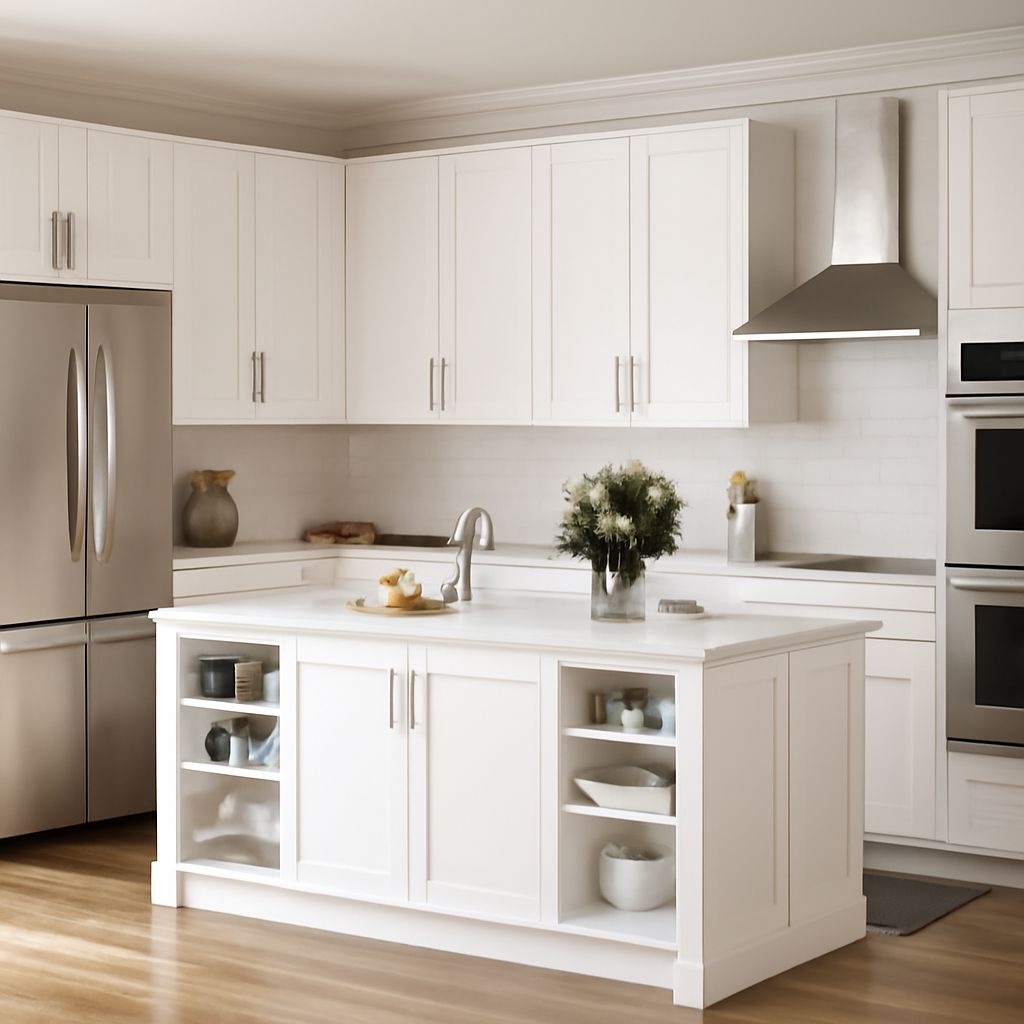
Shaker Cabinets: A Timeless Choice for Kitchens
Transform your kitchen into a haven of style and functionality…
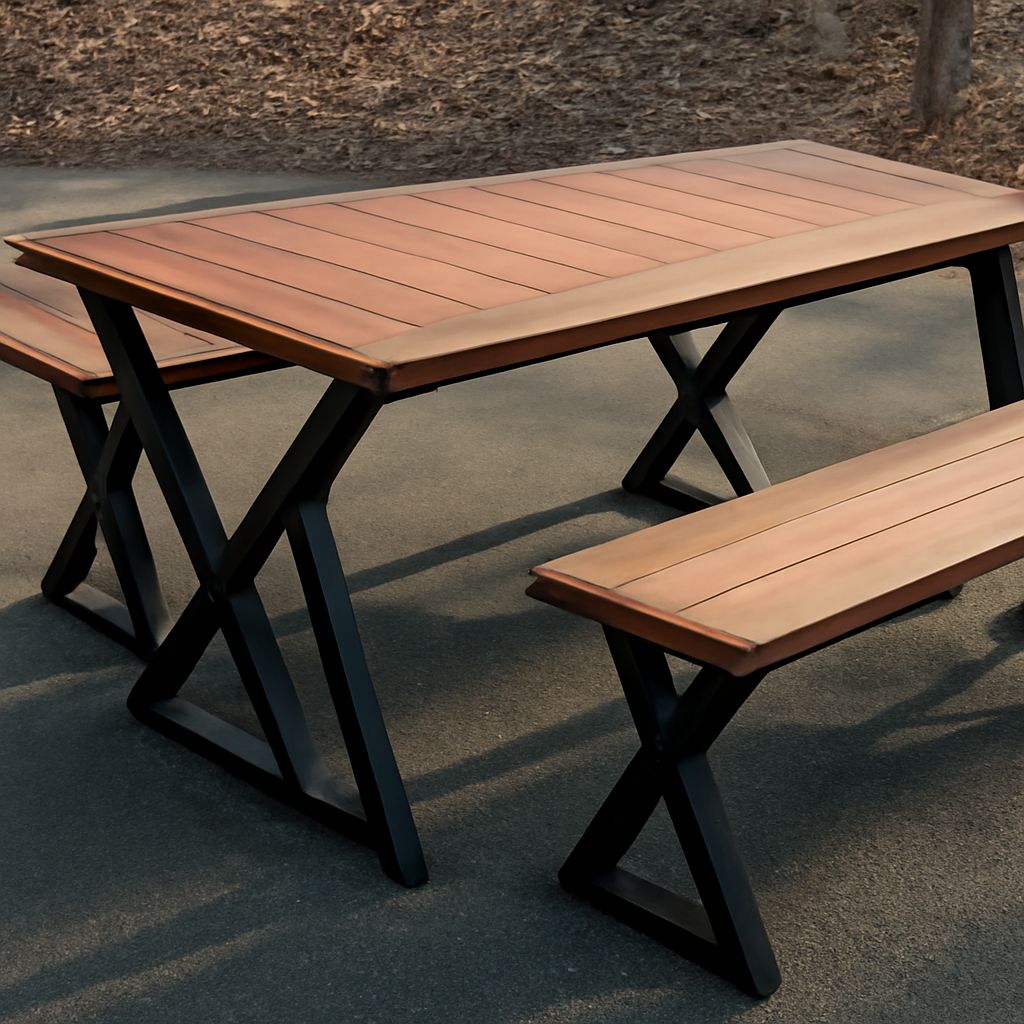
Metal Table Legs: Elevate Your French Table Design
Imagine your French table, the heart of your home, perfectly…