Sweet wines white enthusiasts know the joy of sipping a perfectly balanced glass that dances on the palate. If you’re exploring the world of sweet white wine, you’ll discover a variety of flavors that range from honeyed and floral to crisp and fruity. This guide will walk you through understanding what makes a good sweet white wine and help you choose the best sweet white wine for any occasion.
Understanding Sweet White Wines
Sweet white wines are crafted by allowing the grapes to retain higher levels of sugar during fermentation. This results in a wine with a pleasing sweetness that is balanced by acidity, preventing the wine from being cloying. These wines can vary in flavor depending on the grape variety, the region where they are grown, and the winemaking techniques used.
Grapes commonly used for sweet white wines include Riesling, Moscato, and Gewürztraminer. Each of these brings a unique profile to the wine. For instance, Rieslings from Germany often present notes of green apple and citrus, while Gewürztraminers offer spice and floral aromas. Understanding these differences is key to appreciating the diversity of sweet wines white connoisseurs cherish.
Popular Varieties of Sweet White Wine
Among the most celebrated varieties of sweet white wine, you’ll find the zesty Riesling, known for its versatility and range from very dry to lusciously sweet. Moscato, with its fragrant bouquet and light body, provides an approachable option for those new to sweet white wines. Sauternes, a more decadent choice, offers a honeyed depth thanks to the noble rot that affects the grapes.
Other delightful options include Ice Wine, produced from grapes that have frozen on the vine, concentrating their sugars and flavors. Viognier, another choice, often exhibits rich apricot and peach notes, making it a favorite for those who enjoy fuller-bodied wines. Each of these wines presents unique characteristics that contribute to what makes a good sweet white wine.
How to Choose the Best Sweet White Wine
Choosing the best sweet white wine involves considering the occasion and your personal preferences. For a refreshing summer drink, a chilled Moscato might be ideal, while a sophisticated dinner party could call for a complex Sauternes. Pay attention to the wine’s origin, as terroir greatly influences flavor profiles.
- Check the label for sweetness level indicators such as “dry,” “off-dry,” or “sweet.”
- Consider the wine’s acidity, which should balance the sweetness and provide a refreshing finish.
- Look for tasting notes that align with your flavor preferences, such as floral, citrus, or honeyed.
By understanding these elements, you can select a wine that enhances your meal or simply provides an enjoyable sipping experience.
Pairing Sweeter White Wines with Food
Pairing sweet white wines with food can elevate your dining experience. The key is to balance the wine’s sweetness with complementary flavors in the dish. For instance, a Riesling pairs beautifully with spicy Asian cuisine, as its sweetness tempers the heat and enhances the flavors.
Cheeses such as blue cheese or goat cheese are also excellent partners for sweeter wines, offering a savory counterpoint. For dessert, a classic pairing is Sauternes with a fruit tart, where the wine’s richness complements the dessert’s sweetness. When in doubt, pairing the wine with a dish from its region can often yield delightful results.
Tips for Serving and Storing Good Sweet White Wine
To enjoy a good sweet white wine at its best, serving and storage are crucial. Serve sweet white wines chilled, typically between 45-50°F (7-10°C), to highlight their refreshing qualities. A proper wine glass with a narrow bowl can concentrate the wine’s aromas, enhancing your tasting experience.
For storage, keep the bottles in a cool, dark place, ideally on their sides to prevent cork drying. Sweet wines can often age well, developing deeper flavors over time. However, once opened, finish the bottle within a week to enjoy its freshest taste.
By following these tips, you ensure that every glass of sweet white wine you pour is as delightful as intended.
Safety Recap: If using cork pulls or serving delicate stemware, handle with care to prevent accidents. Always ensure proper storage conditions to preserve the wine’s quality.
Related Posts
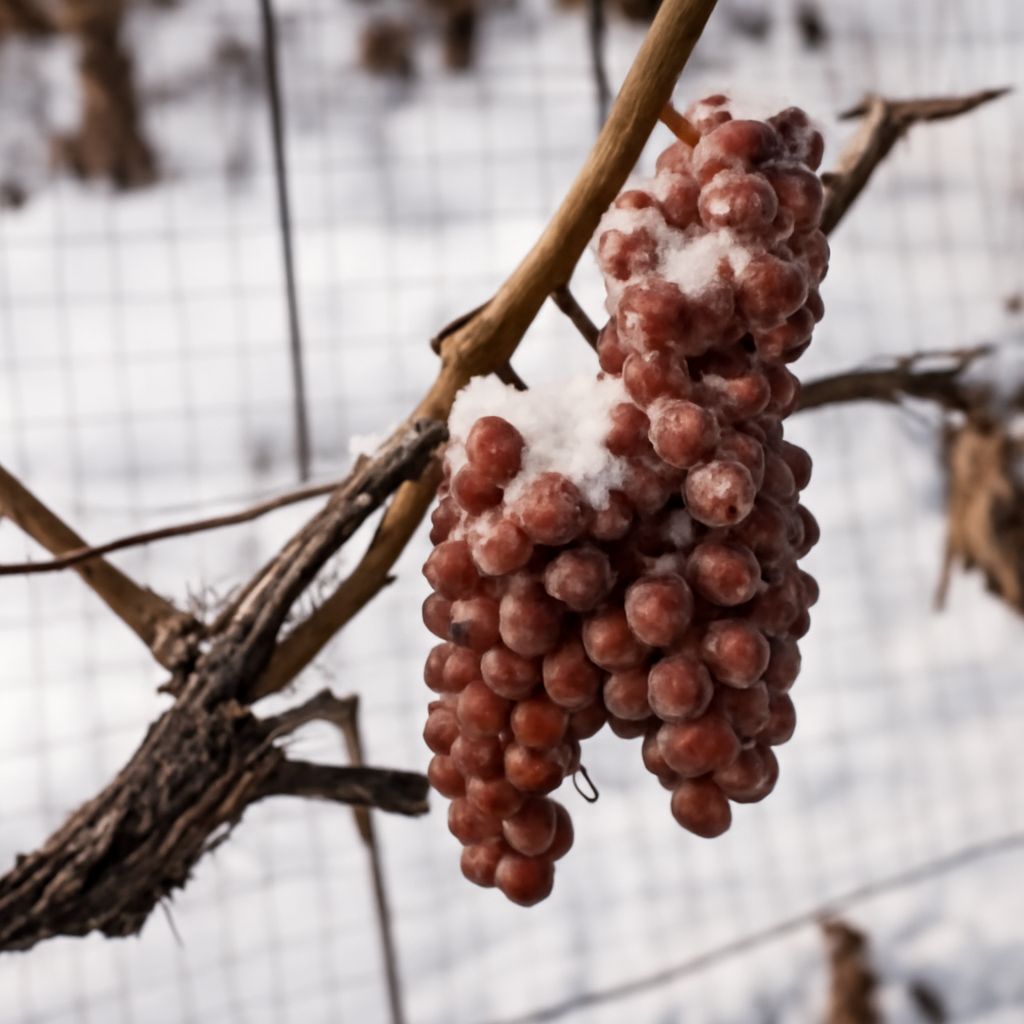
Ice Wine: A Sweet Symphony of Frozen Grapes
Embarking on a journey through the world of wine can…

Wine Glasses: A Guide to Choosing the Perfect Set
Embarking on the journey of selecting the right wine glasses…

Wine Fridge: The Ultimate Guide to Selecting the Perfect Cooler
When it comes to savoring wine at its finest, the…