If you love bold Asian flavors and crave savory, slurpable noodles, mastering a simple lo mein sauce recipe is a total game changer. With just a handful of pantry staples, you can make Chinese noodles at home that are every bit as satisfying as your favorite takeout. Even better, these oriental noodles cook up quickly and let you customize every ingredient to your taste—no mystery sauces, no soggy vegetables.
Whether you’re a busy weeknight cook or an adventurous home chef, learning how to make Chinese noodles and a balanced lo mein sauce opens up a world of delicious, flexible meals. Let’s dive into the foolproof method that brings the magic of world food right to your kitchen.
Introduction to Lo Mein Sauce Recipe
The heart of any memorable lo mein is the sauce. This lo mein sauce recipe achieves that classic umami depth with a blend of soy sauce, oyster sauce, a touch of sugar, and toasted sesame oil. The right ratio ensures your noodles are glossy, deeply flavored, and never greasy.
When you make Chinese noodles, the sauce should coat every strand but not pool at the bottom. That balance is what sets homemade lo mein apart from greasy takeout versions. Once you master this core technique, you’ll be able to whip up authentic oriental noodles in less than half an hour.
Choosing fresh ingredients and the proper noodles is essential. Keep reading for tips on picking the best noodles and how to make lo mein at home bursting with flavor and texture.
Key Ingredients for Oriental Noodles
Great lo mein starts with the right noodles. Look for fresh or dried egg noodles labeled for stir-frying or “lo mein.” If you can’t find these, spaghetti is a reliable substitute—just cook it al dente so it can hold up to tossing in the sauce.
For authentic oriental noodles, gather the following for your sauce: light soy sauce (for salt and savoriness), oyster sauce (adds body and sweetness), toasted sesame oil (brings nutty depth), and a pinch of sugar. If you prefer a vegetarian version, mushroom sauce works well instead of oyster sauce.
Aromatics round out the flavors. Fresh garlic and ginger are essential; mince or grate them for maximum aroma. For a richer mouthfeel, you can add a dash of dark soy sauce or a spoonful of Shaoxing wine. Finish with sliced scallions or sesame seeds for a true world food flair.
Vegetables and proteins are highly adaptable. Classic choices include julienned carrots, bell peppers, snow peas, mushrooms, or baby corn. For protein, use sliced chicken, shrimp, beef, tofu, or a mix. This flexibility is one reason to love oriental noodles—they suit any craving or dietary need.
How to Make Chinese Noodles for Lo Mein
To make Chinese noodles for lo mein, first bring a large pot of water to a rolling boil. Add your noodles, stirring gently to prevent sticking. If using fresh noodles, cook for 2–3 minutes; dried noodles or spaghetti take 6–8 minutes. Your goal is firm, springy noodles that won’t go mushy after stir-frying.
Once cooked, drain the noodles immediately. Rinse under cold water to stop the cooking and remove surface starch. Toss lightly with a teaspoon of sesame oil—this keeps the strands separate and infuses a hint of flavor right from the start.
While your noodles drain, prepare your sauce. Mix together soy sauce, oyster sauce, and a splash of water in a small bowl. Stir in sugar until dissolved, then add toasted sesame oil at the end to preserve its fragrance. This base is the backbone of your lo mein sauce recipe.
Now, prep your vegetables and proteins. Slice everything thin so they cook quickly and evenly. Having everything ready before you start stir-frying is the key to restaurant-style results.
Step-by-Step: How to Make Lo Mein at Home
Start by heating a wok or large skillet over high heat. Add a tablespoon of neutral oil. Once shimmering, add your aromatics—garlic and ginger. Stir-fry for about 30 seconds, just until fragrant.
Next, add your protein. Stir-fry sliced chicken, beef, shrimp, or tofu until just cooked, 2–4 minutes depending on type. Remove from the pan and set aside. This step ensures meat stays tender and doesn’t overcook.
Add vegetables to the hot pan. Stir-fry for 1–2 minutes, keeping everything crisp-tender. Return the protein and drained noodles to the pan. Pour your lo mein sauce recipe over the top. Use tongs to toss noodles and ingredients together. The sauce should coat everything evenly in under 2 minutes.
Once your oriental noodles are glossy and hot, taste and adjust seasoning if needed. A splash more soy or a pinch of sugar can fine-tune the final dish. Serve immediately for the best texture and flavor.
Tips for the Best Lo Mein Sauce
For lo mein that rivals your favorite Chinese restaurant, use high heat and work quickly. This prevents the noodles from steaming or getting soggy. Always add your lo mein sauce recipe last so the aroma of sesame oil stays fresh and the sauce binds to the noodles, not the pan.
Experiment with ratios: start with 2 tablespoons each of soy and oyster sauce for 8 ounces of noodles. Add a teaspoon of sesame oil and sugar. Adjust to your taste—some prefer more sweetness, others more savory punch. Tasting as you go lets you achieve the ideal balance.
If you’re learning how to make Chinese noodles, remember: undercooked is better than overcooked. The noodles will finish cooking in the pan. Don’t skip rinsing; it gives you that signature chewy texture. For extra depth, try adding a few drops of chili oil or white pepper.
A final tip: prep all your ingredients ahead. Stir-frying moves fast, and having everything ready ensures evenly cooked noodles and perfectly crisp veggies every time.
Serving and Storing Your Lo Mein
Serve your lo mein piping hot, garnished with chopped scallions, sesame seeds, or a drizzle of chili oil for heat. Pair with simple sides like steamed dumplings or a crisp cucumber salad to round out your world food spread.
If you have leftovers, let the noodles cool before transferring to an airtight container. Refrigerate for up to three days. When reheating, add a splash of water or chicken broth to loosen the sauce. Use a skillet over medium heat for best results; the noodles will regain their original texture instead of turning mushy.
Lo mein also makes an excellent meal prep option. Portion the noodles and toppings in advance and combine just before eating for maximum freshness. With this flexible lo mein sauce recipe, you’ll never run out of new combinations to try.
Pro tips recap: For truly authentic oriental noodles, focus on balanced sauce, keep ingredients prepped, and stir-fry quickly over high heat. Mastering how to make lo mein at home means endless, delicious possibilities—right from your kitchen, any night of the week.
Related Posts
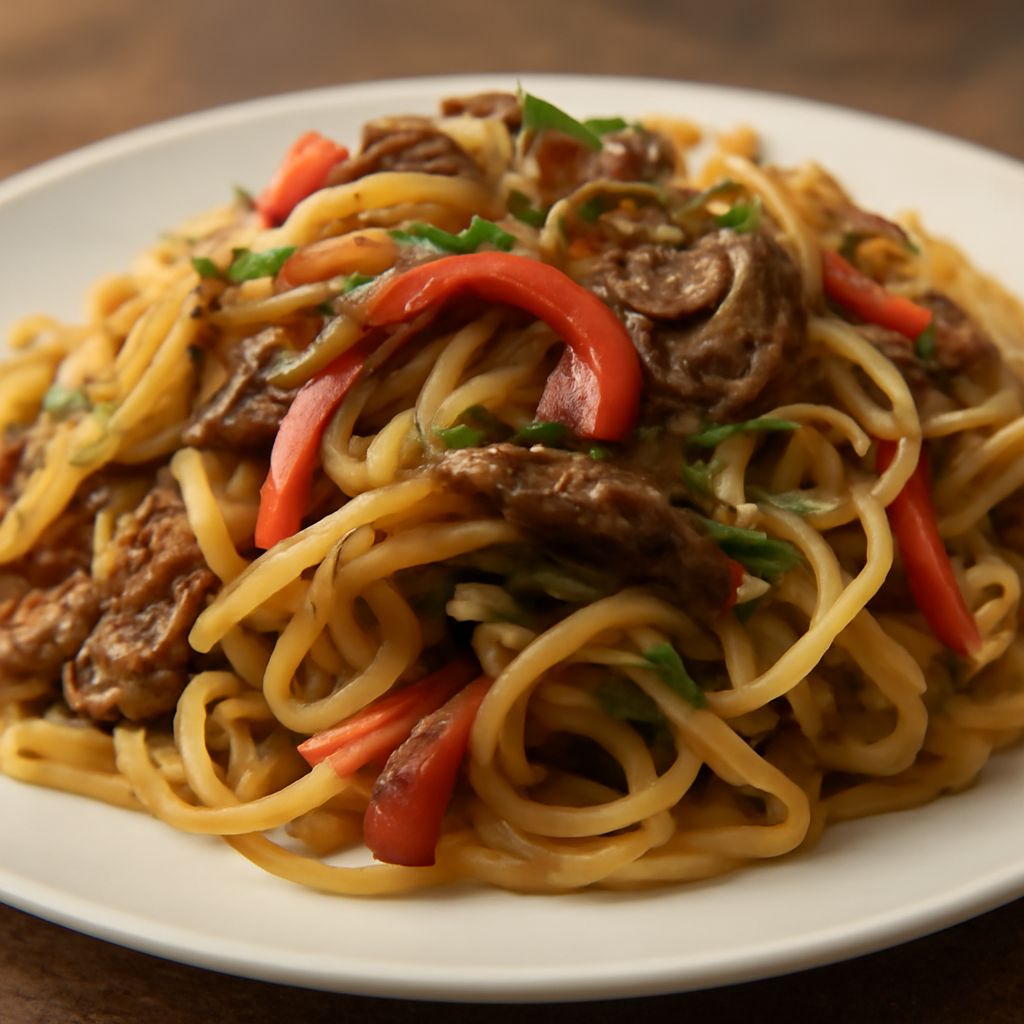
Mongolian Food: A Journey Through Flavors
Embarking on a culinary adventure through Mongolian food will introduce…
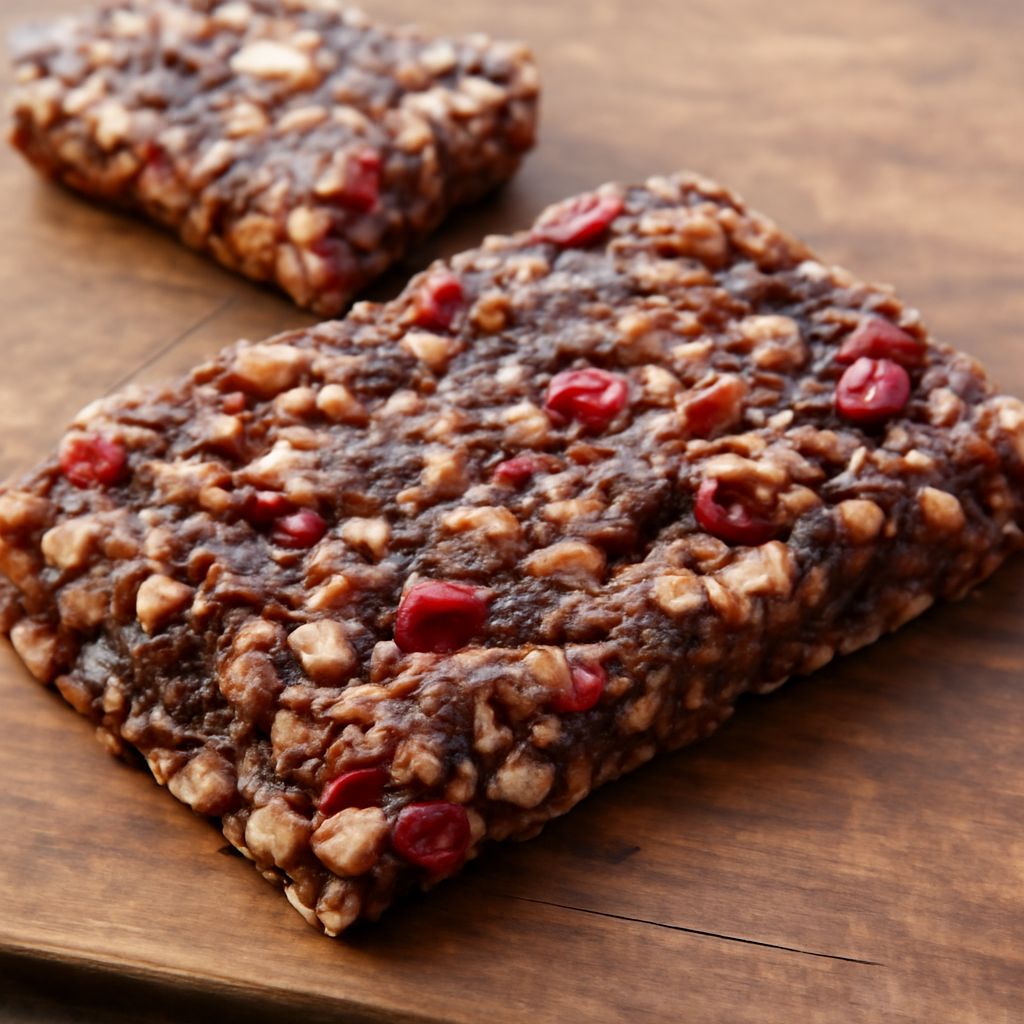
Pemmican: The Ultimate Guide to Traditional Energy Food
If you crave a resilient, nutrient-packed food that has fueled…
Vietnamese Recipes: A Culinary Journey
Delving into Vietnamese food recipes is like embarking on a…