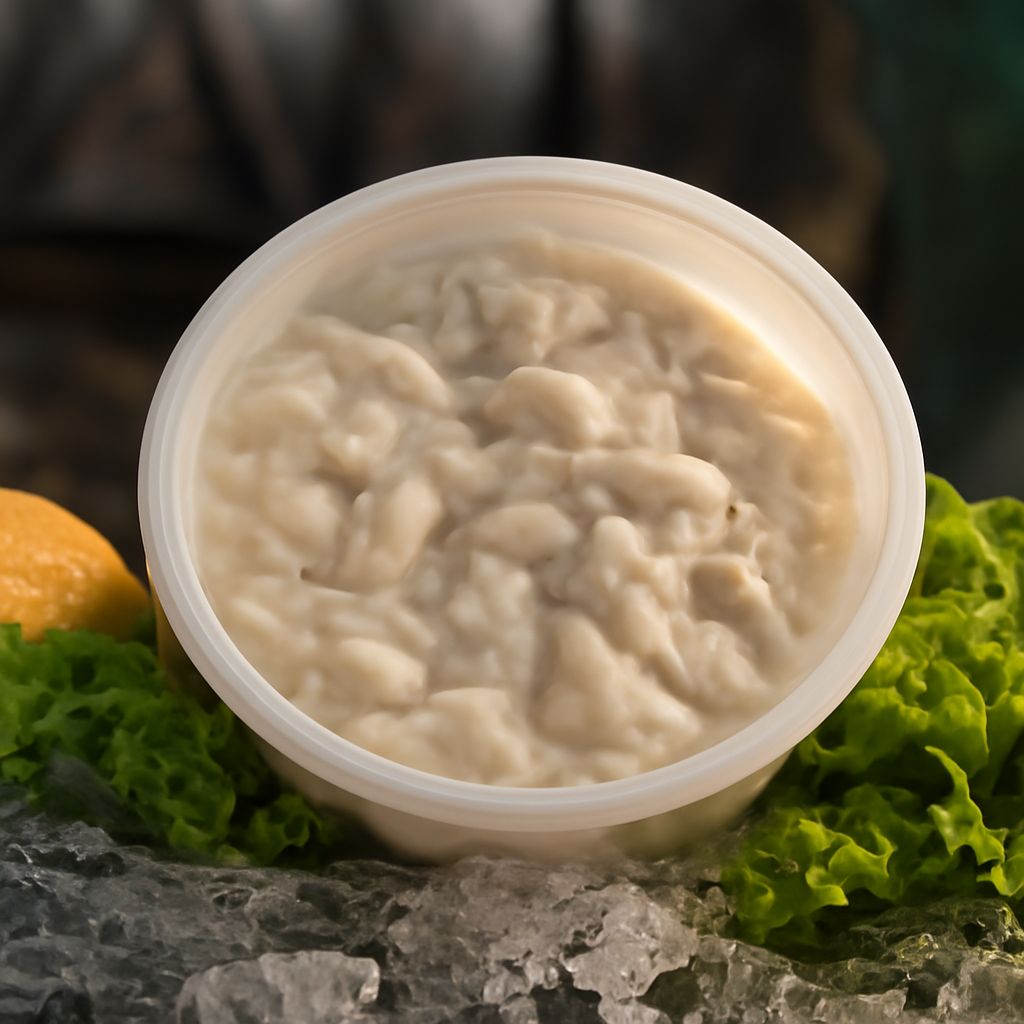
Exploring new seafood options can greatly enhance your culinary repertoire. If you’re eager to expand your skills, learning how to cook mahi mahi will surely add a flavorful touch to your meals. With its firm texture and mild taste, the mahi-mahi fish is perfect for a variety of cooking methods. Understanding what is mahi mahi fish and incorporating it into your cooking can transform ordinary meals into extraordinary culinary experiences.
Introduction to Dorado Fish
Mahi mahi, also known as dorado fish, is a vibrant and versatile seafood choice. Its name, which means “strong strong” in Hawaiian, reflects its dynamic nature. This fish is celebrated for its beautiful golden skin and succulent, lean flesh. When you choose dorado fish for your meals, you’re opting for a protein that’s not only delicious but also capable of standing up to a range of culinary styles.
What is Mahi Mahi Fish?
So, what is mahi mahi fish? Mahi mahi is a tropical fish found in warm ocean waters worldwide. It’s known for its striking colors, which fade after it’s caught, and its firm, slightly pink flesh that turns white when cooked. Mahi mahi is a favorite among seafood lovers for its sweet taste and adaptability in the kitchen. You’ll often find mahi-mahi fish on the menu in coastal regions, where it’s appreciated for its fresh, oceanic flavor.
When purchasing mahi mahi, look for fillets that are moist and free of discoloration. Fresh mahi mahi will have a mild scent of the sea and a firm texture, ensuring the best results when you bring it to your table.
How to Cook Mahi Mahi
Cooking mahi mahi is straightforward and rewarding. Its firm texture makes it suitable for grilling, baking, sautéing, or even frying. To start, season your mahi mahi fillets with salt, pepper, and a squeeze of fresh lemon juice. For grilling, preheat your grill to medium-high heat and cook the fillets for about 3-4 minutes on each side. This quick cooking method helps retain the fish’s moisture and enhances its natural flavors.
Alternatively, you can bake mahi mahi in a preheated oven at 400°F for 10-15 minutes. Add a drizzle of olive oil and fresh herbs like dill or parsley for added zest. Whether you choose to pan-sear or broil, ensuring the internal temperature reaches 137°F will guarantee perfectly cooked fish.
Mahi Mahi in Global Cuisines
Mahi mahi has earned its place in many global cuisines thanks to its adaptability. In the Caribbean, it’s often paired with tropical fruits and spices, offering a delightful balance of sweet and savory. In Asian cuisines, mahi mahi shines in dishes with soy, ginger, and sesame oil, providing a robust flavor profile.
In Mediterranean recipes, mahi mahi is commonly combined with olives, tomatoes, and capers, creating a dish that’s both hearty and fresh. Whether it’s grilled in a taco, baked with herbs, or incorporated into a spicy curry, mahi mahi’s versatility makes it a beloved choice among chefs and home cooks alike.
Nutritional Benefits of Mahi-Mahi Fish
In addition to its culinary appeal, mahi-mahi fish offers numerous nutritional benefits. It’s a lean source of protein, making it an excellent choice for those looking to maintain a healthy diet. Rich in vitamins B12 and B6, mahi mahi supports energy metabolism and promotes a healthy nervous system.
Mahi mahi is also a good source of omega-3 fatty acids, which are beneficial for heart health. The low mercury content in mahi-mahi fish compared to other seafood makes it a safer option for frequent consumption, aligning with dietary guidelines for fish intake.
Next steps: To fully enjoy the benefits of mahi mahi, continue exploring various recipes and cooking techniques. Try incorporating it into your weekly meal plans to take advantage of its nutritional benefits. Keep experimenting with global flavors, and soon, cooking mahi mahi will become a delightful and regular part of your culinary adventures.
Related Posts
The Most Tender Cut of Steak: A Guide to Choosing the Best
Unlocking the secrets to the most tender steak can transform…
Corvina Fish: A Comprehensive Guide to This Seafood Delight
Step into the world of seafood and discover the delightfully…