Have you ever pondered the difference between polenta and grits while savoring a creamy bowl of goodness? Understanding what’s the difference between polenta and grits can elevate your culinary experiences. Both dishes are staples in distinct cultural cuisines and bring their unique flavors and textures to the table. Whether you’re a seasoned cook or just exploring, this guide will help you navigate the delightful world of polenta and grits.
Discover how these two comforting dishes vary in their origins, preparation methods, and taste profiles. Mastering the subtleties of each can unlock a new realm of flavors and culinary creativity, enhancing both traditional and modern dishes in your kitchen repertoire.
Understanding Polenta and Grits
Origins and History
Polenta and grits both have rich histories that reflect their cultural roots. Polenta, originating from Northern Italy, historically served as a staple food for peasants. It is made from ground cornmeal and has adapted over centuries to become a beloved dish worldwide. Grits, deeply ingrained in Southern American cuisine, trace their origins to Native American tribes who introduced the method of grinding hominy into a coarse meal.
Cultural Significance
Polenta holds a special place in Italian cuisine, often appearing in family gatherings and festive occasions. Across the Atlantic, grits are a quintessential Southern dish, often enjoyed as a comforting breakfast or a rich side dish at dinner. Both dishes carry a cultural significance that extends beyond taste, embodying traditions and shared experiences.
Difference Between Polenta and Grits
Ingredients and Preparation
The primary difference between polenta and grits lies in their ingredients and preparation. Polenta is made from yellow cornmeal, and its preparation involves simmering it in water or broth until it thickens into a creamy consistency. Grits, on the other hand, are typically made from white hominy corn, with variations including stone-ground or quick-cooking forms. This difference influences their flavor and texture.
Texture and Flavor
Polenta offers a smooth, dense texture with a subtle sweetness from the yellow cornmeal, making it ideal for both savory and sweet applications. Grits provide a coarser texture due to the processing of hominy, delivering a neutral and slightly earthy flavor. These textural differences make each uniquely suited to various dishes.
Nutritional Value
When comparing the nutritional value of polenta and grits, both offer a hearty source of carbohydrates, essential for energy. Polenta is often seen as a healthier choice due to its lower fat content and higher fiber when prepared traditionally. Grits can vary in nutritional value depending on preparation, especially when enriched with butter or cheese, common in Southern recipes.
Cooking Methods
Traditional Techniques
Traditional cooking methods for polenta involve slow cooking, often requiring constant stirring to achieve the desired smoothness. This process allows the flavors to develop fully. Grits are traditionally simmered with water or milk, with frequent stirring to prevent lumping, resulting in a creamy texture.
Modern Twists
Modern culinary trends have introduced new twists to both polenta and grits. Polenta can be grilled or baked, forming a crispy exterior while maintaining its creamy center. Grits have found their way into contemporary dishes like shrimp and grits or even as a base for innovative casseroles, showcasing their versatility.
What’s the Difference Between Polenta and Grits in Cuisine
Global Recipes
Polenta features prominently in dishes like polenta concia, where cheese and butter are incorporated for a rich flavor. Grits, conversely, shine in global recipes such as Shrimp and Grits, a beloved Southern classic that highlights their ability to absorb bold flavors.
Fusion Dishes
In fusion cuisine, chefs around the world are experimenting with polenta and grits by blending them into unexpected dishes. Polenta fries have become a popular alternative to regular fries, offering a unique texture and taste. Grits have been adapted into dishes like grits tacos, showcasing their adaptability and appeal.
Choosing Between Grits and Polenta
Considerations for Home Cooks
Choosing between grits and polenta often depends on the dish you aim to create and personal preference. For a more robust, earthy flavor, grits might be preferable, while polenta’s sweeter notes could complement a variety of dishes. Consider the cooking time and consistency you desire when deciding which to prepare.
Pairing Suggestions
Pairing these dishes with complementary ingredients enhances their flavors. Polenta pairs well with rich meats like osso buco or earthy mushrooms. Grits shine alongside seafood or spicy sausages, providing a balanced, hearty meal.
Safety Recap: When preparing either dish, remember to stir continuously to achieve the right texture and prevent scorching. Adjust cooking times to suit your desired consistency, ensuring a delicious and safe culinary experience.
Related Posts
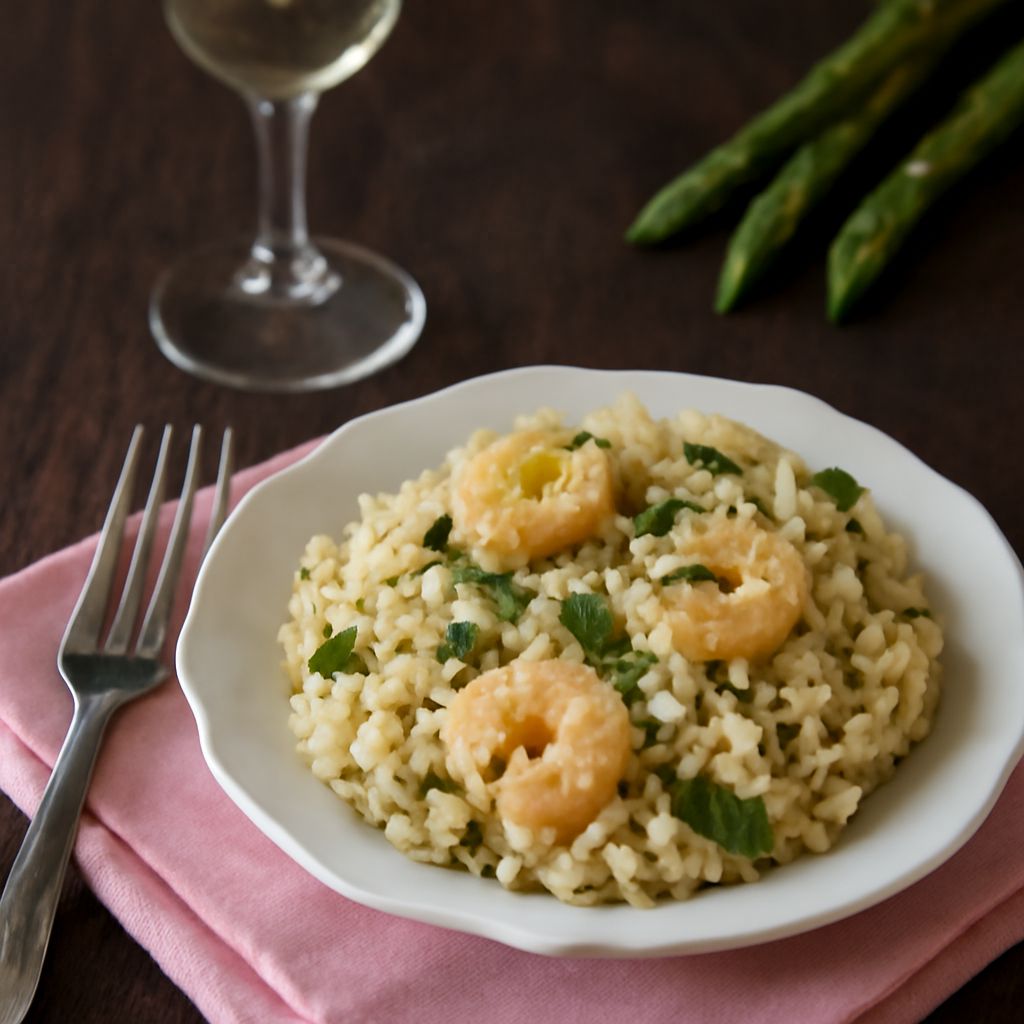
Asparagus Risotto: A Delicious Global Cuisine Experience
Asparagus Risotto: A Delicious Global Cuisine Experience Indulging in asparagus…
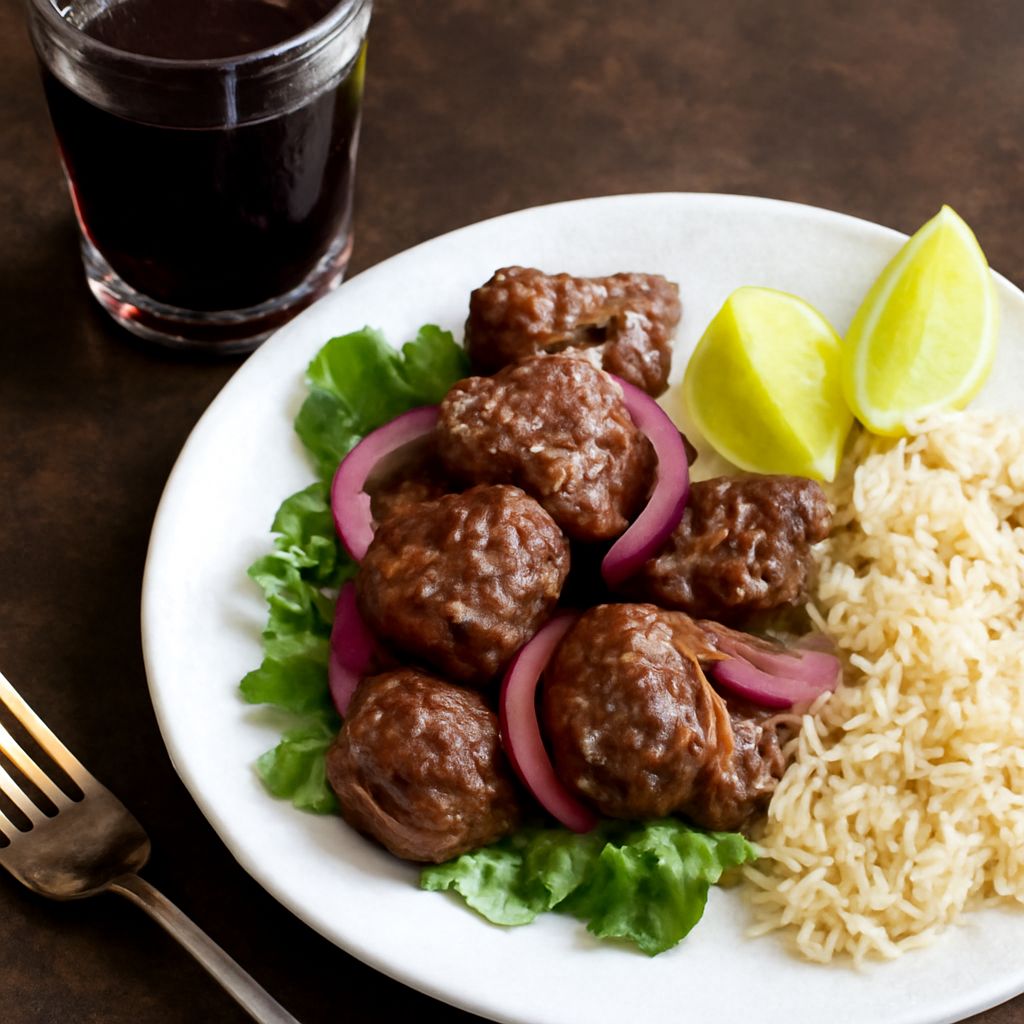
Shaking Beef: A Delicious Vietnamese Delight
Vietnamese Shaking Beef, or "Bò Lúc Lắc," is a vibrant…
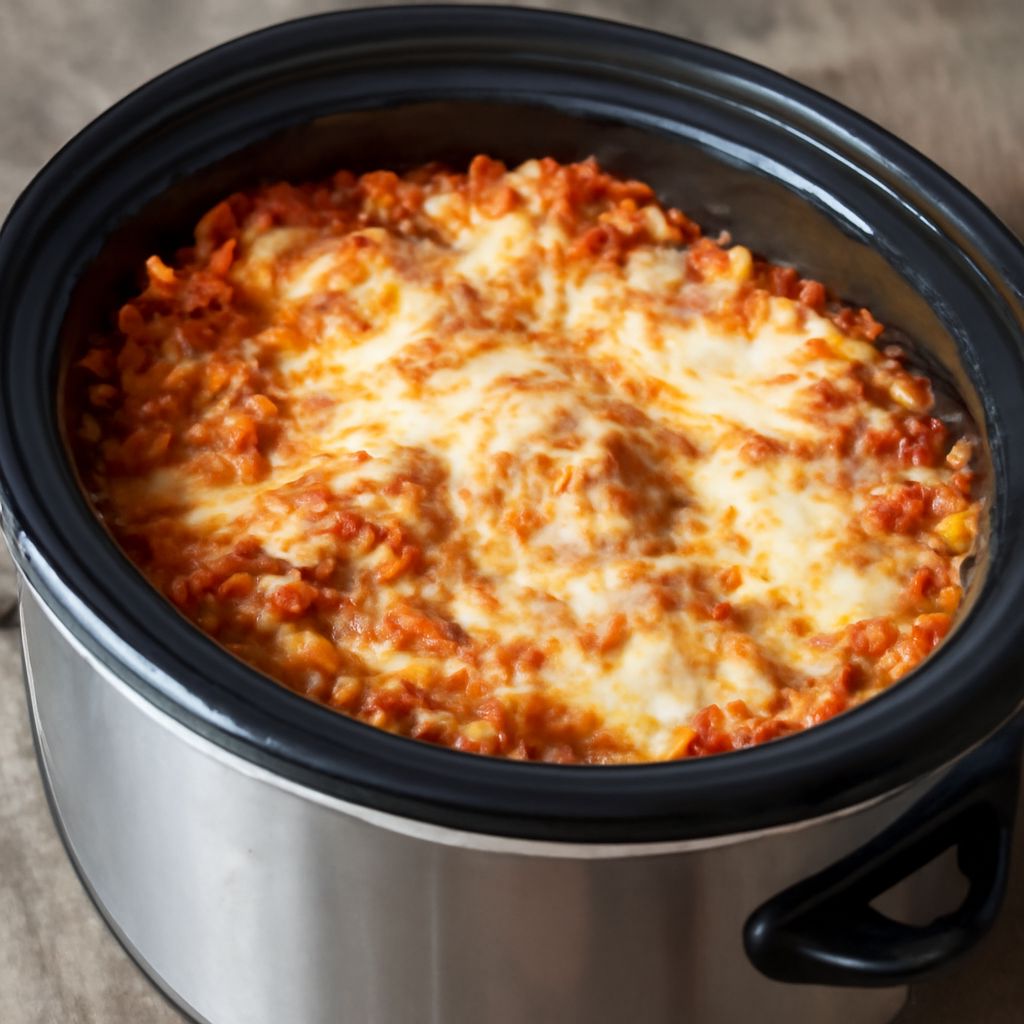
Crockpot Lasagna Recipe: Delicious Slow-Cooked Layers
Lasagna crock pot recipes are a fantastic way to enjoy…