Embarking on a journey through German food recipes invites you to discover a world of hearty, flavorful, and comforting dishes. From the robust flavors of Sauerbraten to the delightful chewiness of homemade Spätzle, traditional German food recipes promise a rich culinary experience for the adventurous palate.
By exploring a variety of German recipies, you will not only learn to create mouthwatering meals but also embrace a cultural heritage that has been cherished and passed down through generations. Dive into the taste of tradition and uncover the secrets behind some of the most beloved German dishes.
Introduction to German Recipes
History of German Cuisine
German cuisine boasts a tapestry of flavors influenced by a diverse cultural history. Its roots trace back to the early Celtic and Germanic tribes whose cooking methods evolved over the centuries. With the integration of Roman techniques and the influence of neighboring countries, German food recipes have emerged as a blend of hearty ingredients and meticulous preparation.
Key Ingredients in German Recipes
Traditional German food recipes often feature ingredients like potatoes, cabbage, pork, and hearty breads. The use of spices such as caraway, mustard, and dill further enrich these dishes, adding distinct layers of flavor. Whether you’re crafting a classic Sauerbraten or experimenting with a new take on Rinderroulade, these staples are essential in creating authentic German meals.
Popular German Food Recipes
Sauerbraten Recipe Sauerbraten is a quintessential example of German culinary tradition. The process begins by marinating beef in a mixture of vinegar, water, and a blend of spices like cloves and bay leaves for several days. This German recipe transforms the meat into a tender, tangy delight, perfect for a cozy family dinner.
As you prepare Sauerbraten, remember to sear the marinated meat until browned, then simmer it slowly in the marinade. Serve it with red cabbage and boiled potatoes for an authentic experience that captures the essence of German cuisine.
Rinderroulade: A Classic Delight
Rinderroulade stands out in any collection of German food recipes. Thin beef slices are layered with bacon, onions, and mustard before being rolled up and secured. This dish is then braised in a rich sauce until succulent and flavorful.
Serve Rinderroulade with potato dumplings or mashed potatoes to soak up the delicious juices. This dish embodies the abundance of flavors that traditional German food recipes are known for.
German Potato Salad
No exploration of German recipies would be complete without German Potato Salad. This popular side dish differs from its American counterpart by using a vinegar-based dressing instead of mayonnaise, giving it a tangy edge.
By mixing warm potatoes with bacon, onions, and a dressing of vinegar, mustard, and sugar, you create a dish that complements any main course while embracing the simplicity and depth of German culinary tradition.
Traditional German Food Recipes
The Art of Making Bratwurst One cannot discuss traditional German food recipes without mentioning Bratwurst. This iconic German sausage is known for its juicy interior and flavorful spices. Making bratwurst from scratch involves grinding a mixture of pork and veal, then seasoning it with spices such as nutmeg, ginger, and coriander.
Grill or pan-fry the sausages to achieve a crispy exterior, and enjoy them with a side of sauerkraut or mustard. Their rich flavor profile is a testament to the care and tradition embedded in German cooking.
Homemade Spätzle: A German Pasta
Homemade Spätzle, a type of German pasta, is a staple in many traditional German food recipes. Made from a simple dough of flour, eggs, and milk, Spätzle is pressed through a special sieve directly into boiling water.
Once cooked, these soft, buttery noodles can be served as a side dish with meats or topped with cheese and onions for a comforting main course. Its versatility and ease of preparation make Spätzle a beloved part of German culinary tradition.
Regional Variations in German Recipes
Germany’s diverse regions contribute to the rich tapestry of its cuisine, each offering unique takes on traditional dishes. For instance, Bavaria is famous for its pretzels and schnitzels, while the Rhineland offers variations of Sauerbraten using horse meat. Exploring these regional differences allows you to appreciate the full spectrum of German recipies and flavors.
Tips for Cooking Authentic German Recipies
Creating authentic German recipes at home requires attention to detail and a few helpful tips. Use fresh, high-quality ingredients and don’t rush the marination or cooking processes. Embrace the balance of flavors, especially the interplay between sour and savory, which is a hallmark of traditional German food recipes. Consistently tasting and adjusting seasonings will ensure your dishes capture the essence of German cuisine.
Conclusion: Embracing German Cuisine
Embracing German cuisine means not only recreating traditional dishes but also understanding the cultural stories they tell. By incorporating these German food recipes into your culinary repertoire, you connect with a rich heritage and bring a taste of Europe into your kitchen.
Pro tips recap: Focus on high-quality ingredients, respect traditional preparation methods, and experiment with regional variations to enhance your understanding and enjoyment of German recipes.
Related Posts
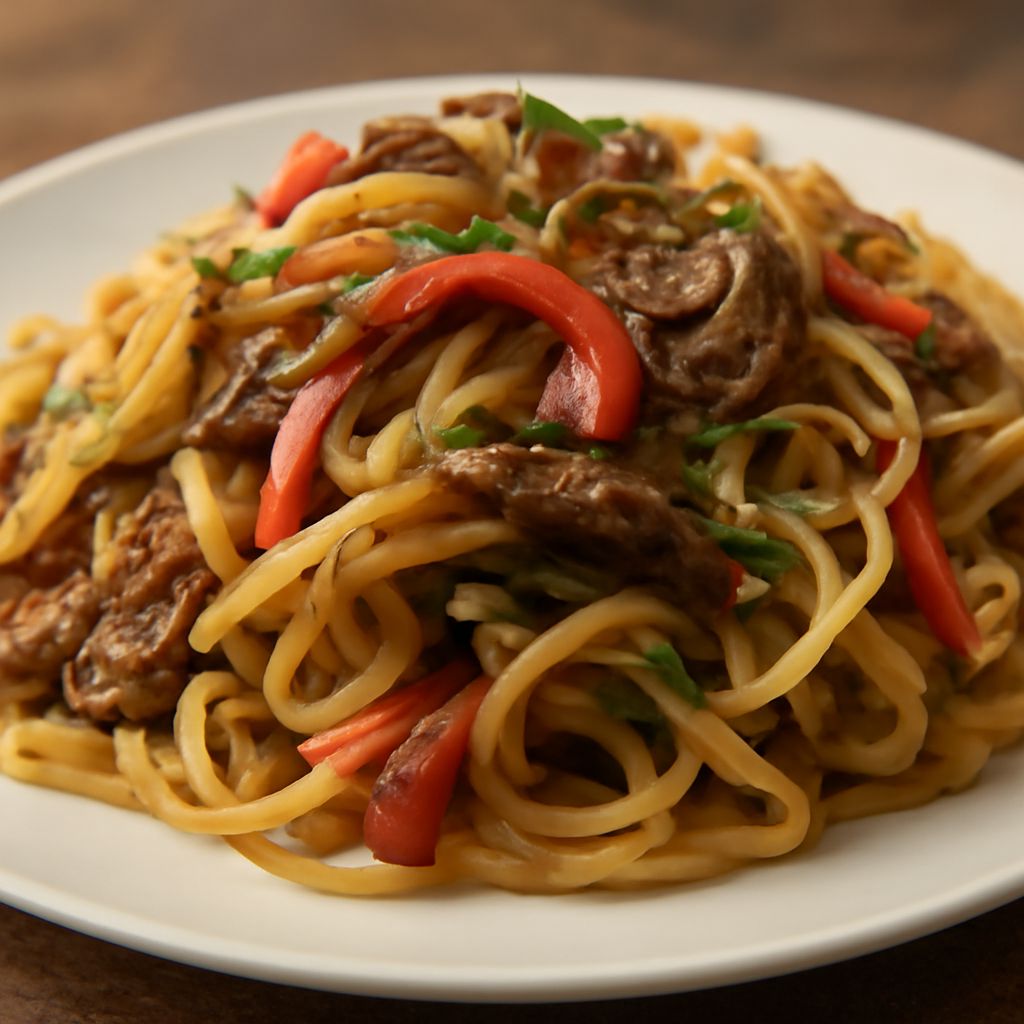
Mongolian Food: A Journey Through Flavors
Embarking on a culinary adventure through Mongolian food will introduce…

Vietnamese Pork Chop Recipe: A Delicious Guide
Embark on a culinary journey with the authentic and flavorful…

Discover Delicious Romanian Food: A Culinary Journey
Embark on a delightful adventure through the flavors of traditional…