Imagine sinking your teeth into a flaky, buttery pastry without worrying about gluten. A gluten free puff pastry recipe is your gateway to delightful pastries that everyone can enjoy. By mastering the art of creating gluten free puff pastry sheets, you can open up a world of culinary possibilities that cater to those with gluten sensitivities. Whether you’re a seasoned baker or a curious beginner, this guide will walk you through the process of making delicious and versatile gluten free puff pastries.
Why Choose Gluten Free Puff Pastry
Opting for gluten free puff pastry allows you to enjoy the classic flakiness of traditional puff pastry without the gluten. This is especially beneficial for those with celiac disease or gluten intolerance. Gluten free puff pastry sheets enable you to explore a broad spectrum of recipes, from savory tarts to sweet pastries, without compromising on taste or texture. By using gluten-free ingredients, you ensure that your creations are both safe and satisfying for everyone.
Ingredients for Gluten Free Puff Pastry
Creating a delectable gluten free puff pastry starts with the right ingredients. Here’s what you’ll need:
- 2 cups gluten free all-purpose flour blend
- 1 teaspoon xanthan gum
- 1 teaspoon salt
- 1 cup unsalted butter, chilled and cubed
- 1/2 cup ice water
- 1 teaspoon lemon juice
Using a gluten free flour blend is crucial for achieving the right texture in your gf puff pastry. The addition of xanthan gum helps mimic the elastic properties of gluten, ensuring that the dough holds together and puffs up nicely when baked.
Step-by-Step Gluten Free Puff Pastry Recipe
1. In a bowl, combine the gluten free all-purpose flour, xanthan gum, and salt. Mix thoroughly.
2. Add the chilled, cubed butter to the flour mixture. Using a pastry cutter or your fingers, blend until the mixture resembles coarse crumbs.
3. In a separate bowl, mix the ice water and lemon juice. Gradually add this to the flour mixture, stirring until a dough forms.
4. Shape the dough into a rectangle, wrap it in plastic wrap, and refrigerate for at least 30 minutes.
5. Roll out the dough on a lightly floured surface into a large rectangle. Fold it into thirds, like a letter, and rotate 90 degrees. Repeat this rolling and folding process three more times, chilling the dough for 15 minutes between each rolling.
This layering technique is key to achieving the puffiness in puff pastry gluten free, as it creates multiple layers that expand beautifully when baked.
Tips for Perfect Gluten Free Puff Pastry Sheets
Creating perfect gluten free puff pastry sheets requires attention to detail and patience. Here are some expert tips:
- Keep it cool: Always work with chilled ingredients and dough. Warm butter will not create the desired layers.
- Use a sharp knife: When cutting the dough, ensure your knife is sharp to prevent dragging and tearing.
- Rest the dough: Allowing the dough to rest in the fridge prevents shrinkage and ensures even puffing during baking.
These tips will help you master the art of making gluten free puff pastry sheets and result in a final product that is light, flaky, and deliciously satisfying.
Serving Suggestions for Puff Pastry Gluten Free
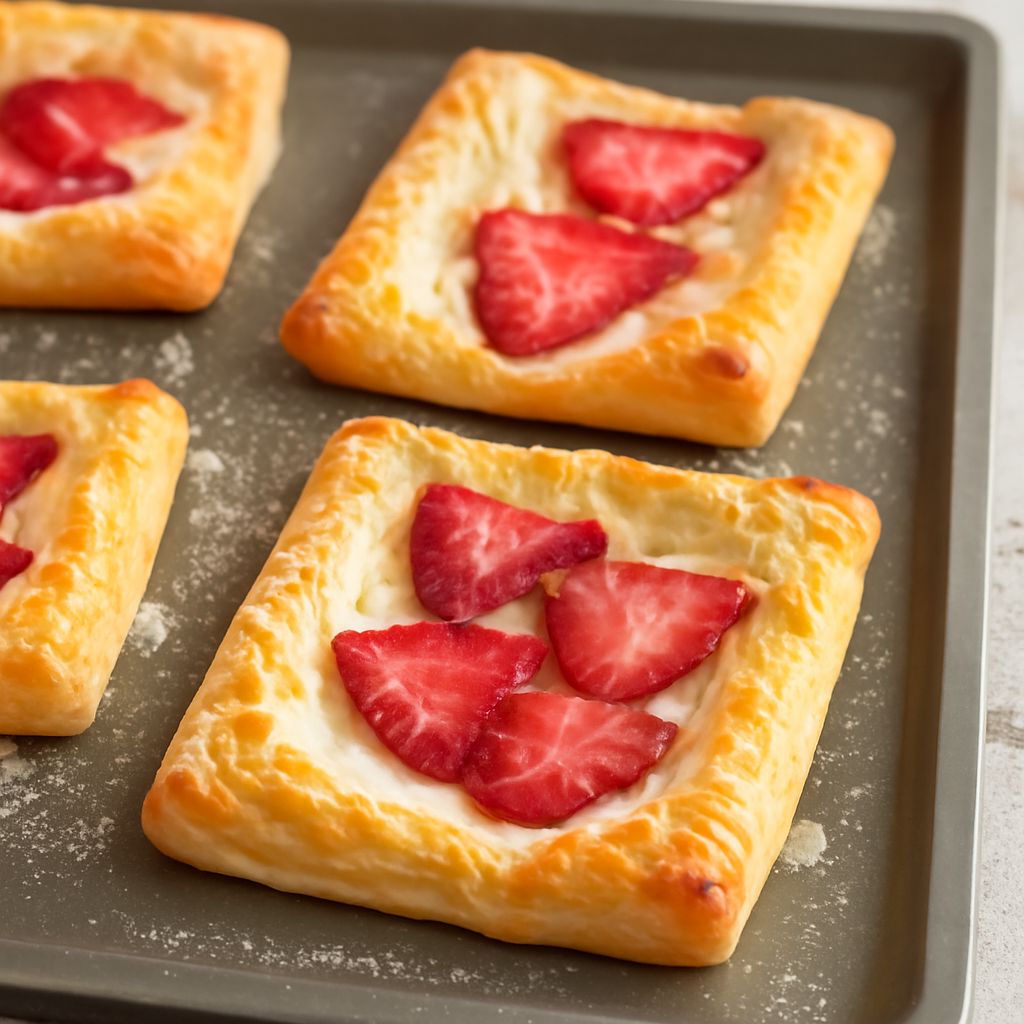
Once you’ve perfected your gluten free puff pastry, the serving options are endless. For a savory treat, consider making a spinach and feta tart or a classic chicken pot pie. If you have a sweet tooth, try crafting apple turnovers or creamy custard-filled pastries.
For a delightful appetizer, cut the gf puff pastry into small squares, top with brie and cranberries, and bake until golden. These versatile pastries can be tailored to suit any occasion or palate, showcasing the endless possibilities of gluten free baking.
With a little practice, you’ll discover that gluten free puff pastry can be just as delicious and versatile as its traditional counterpart. Enjoy the process and savor the results!
Safety Recap: When handling tools or preparing pastries, always prioritize safety. Keep knives sharp and hands dry to prevent accidents in the kitchen, and ensure proper storage of gluten free ingredients to maintain their integrity and avoid cross-contamination.
Related Posts
Danish Recipe: How to Make Authentic Danish Pastries
Delve into the irresistible world of Danish pastries with our…